












Posted on — Leave a comment

Tropea Onions: Why They’re Sweet and How to Cook Them

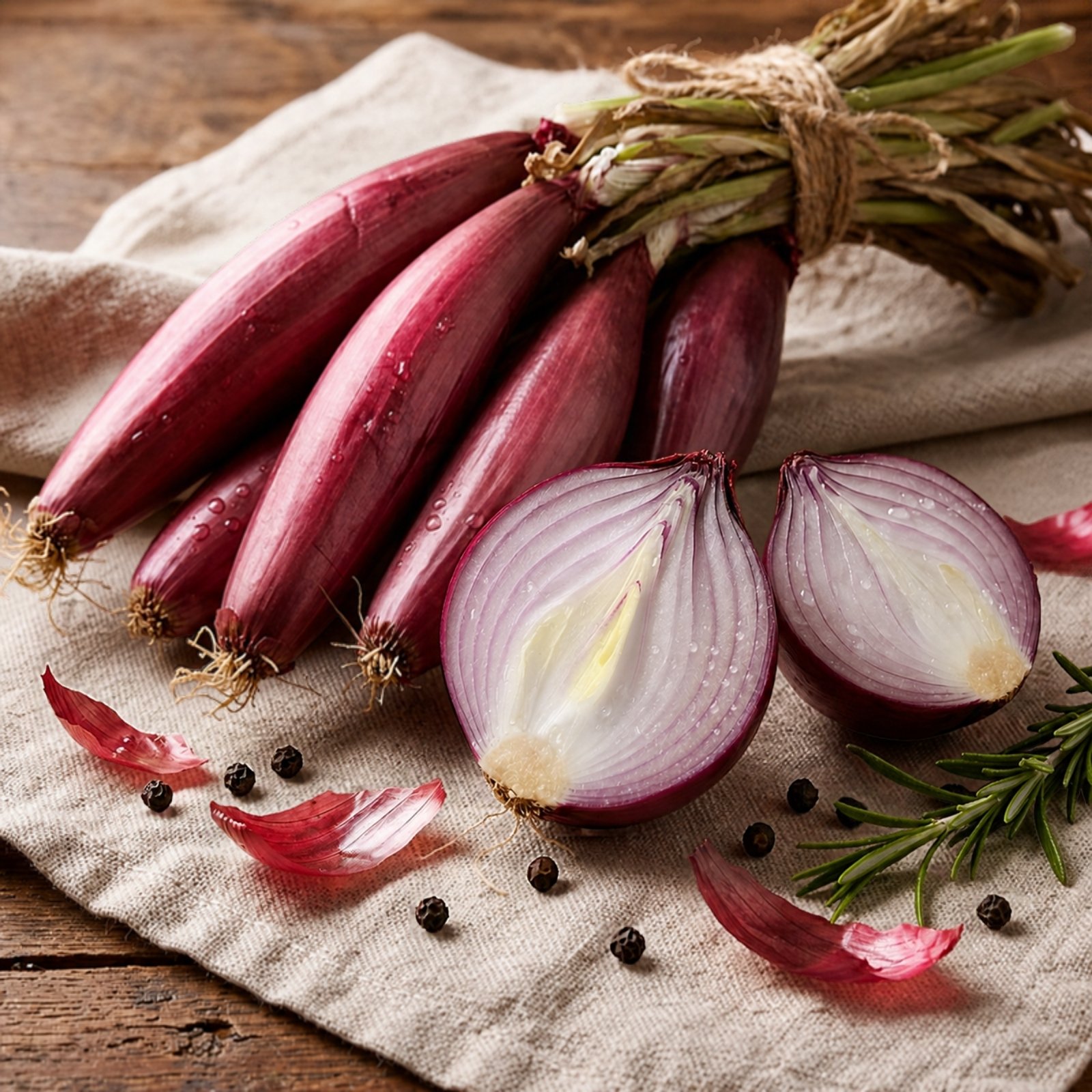
Bunch of elongated red Tropea onions, two cut in half

Tropea onions are sweet red onions grown along the coast of Calabria, around the town of Tropea in southern Italy. They’re elongated, deep purple-red and so mild that Calabrians eat them raw in salads. They’re also used in jam, on pizza and in slow-cooked dishes like peperonata.

What is a Tropea onion?

Cipolla Rossa di Tropea (“red onion of Tropea”) has been grown on Calabria’s Tyrrhenian coast for centuries. You’ll recognise it by its shape: long and torpedo-like, or flattened, rather than round, with shiny red-purple skin and white-to-pink flesh.

Why are Tropea onions so sweet?

Growers credit the coast itself: light, sandy soil, a mild sea climate and plenty of sun. Whatever the exact reasons, the result is an onion that’s juicy and sweet, without the sharp sting that makes ordinary onions hard to eat raw.

Tropea onion vs shallot vs red onion

Tropea onionShallotOrdinary red onion
Size and shapeMedium, elongatedSmall, clusteredMedium to large, round
Flavour rawSweet, mild, juicySharp, garlickySharp, pungent
Best forSalads, jam, pizza, slow cookingDressings, saucesAll-purpose cooking

Use Tropea onions wherever you want onion flavour without harshness, especially raw.

When are Tropea onions in season?

Fresh Tropea onions are a spring-to-summer crop. The earliest are sold young, as long, slender spring onions, and the full-size bulbs follow into summer. Some are dried for storage and sold later in the year.

Tropea onion recipes

1. Calabrian tomato and onion salad

Slice 1 Tropea onion paper-thin. Toss it with 4 ripe tomatoes cut into wedges, a pinch of dried oregano, salt and a generous pour of Calabrian olive oil. Leave it for 10 minutes so the juices mix, and serve it with bread for mopping.

2. Tropea onion jam (marmellata di cipolle)

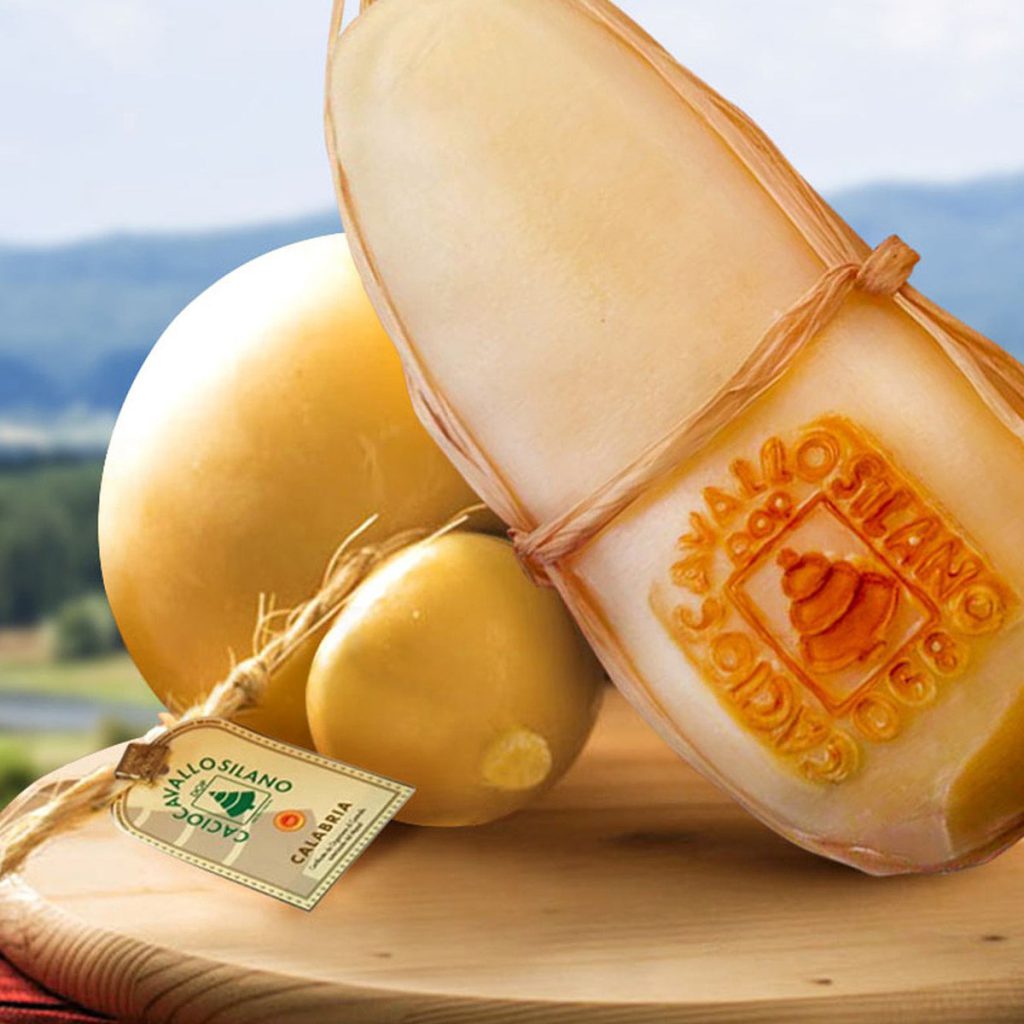
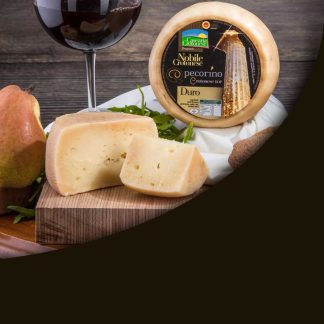
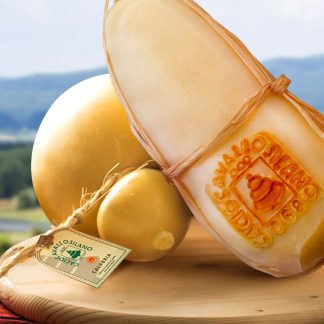
Thinly slice 1 kg of Tropea onions. Cook them slowly in a heavy pan with 2 tablespoons of olive oil for 20 minutes until soft. Add 250 g of sugar and 100 ml of red wine vinegar, then simmer on a low heat for 45–60 minutes, stirring often, until thick and jammy. Spoon it into clean jars. Keep it in the fridge and eat it within 2 weeks. Serve it with Pecorino Crotonese or Caciocavallo.

3. Tropea onion pizza

Scatter thin rings of Tropea onion over a tomato or white pizza with a few olives and a little spicy ’nduja. The onion softens and sweetens in the oven.

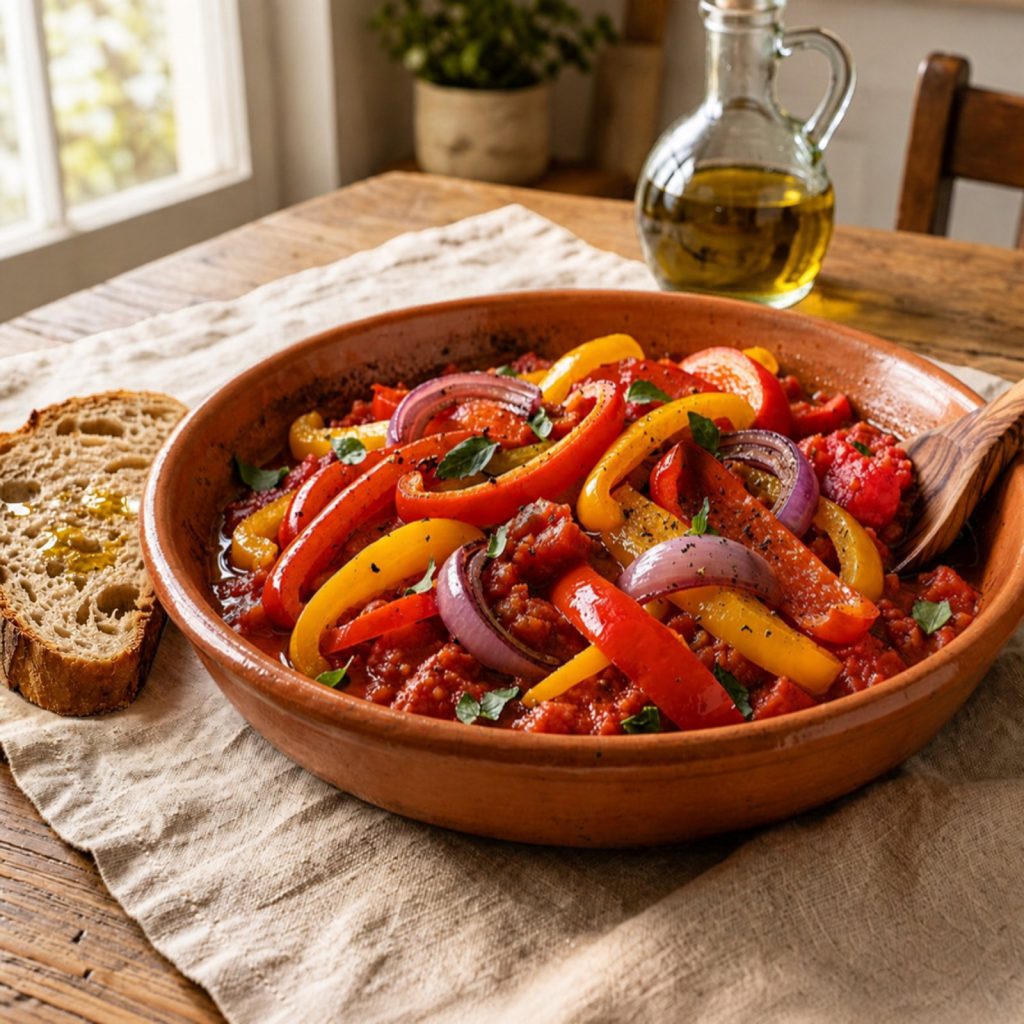
4. Peperonata with Tropea onions

Sweet peppers and onions cooked slowly with tomato, a classic side dish across southern Italy. Full recipe: Peperonata with Tropea Onions.

What can I use instead of Tropea onions?

A mild red onion is the closest everyday substitute. To soften its bite for eating raw, slice it thinly and soak it in cold water for 10 minutes, then drain. Sweet white onions also work in cooked dishes.

How to store Tropea onions

Keep them somewhere cool, dark and airy, not in a plastic bag or the fridge. Keep them away from potatoes. Fresh, young Tropea onions with green tops are more delicate: keep those in the fridge and use them within a few days.

How to get Tropea onions

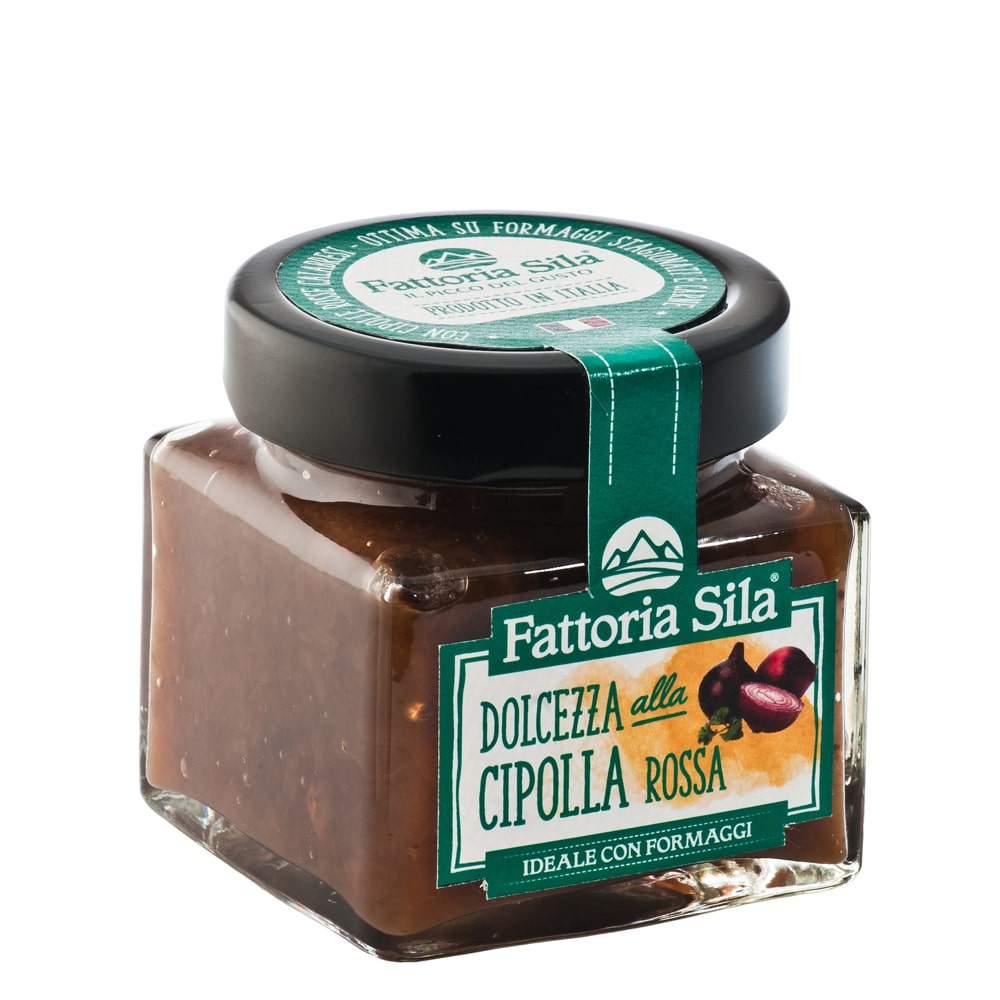
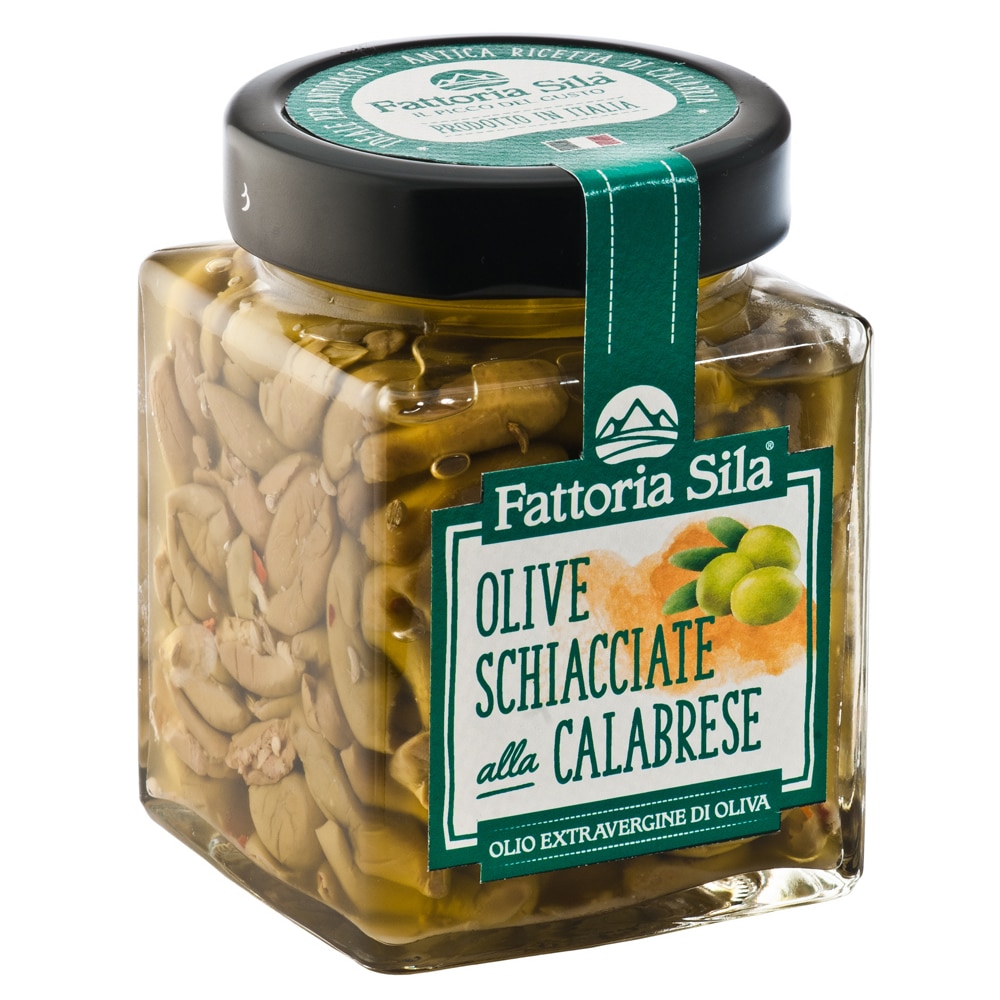
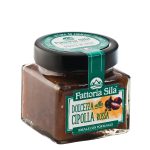
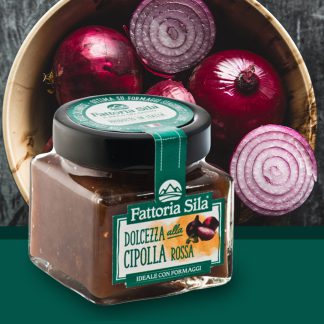
We don’t sell fresh Tropea onions at the moment. For a sweet red onion in a jar, try Fattoria Sila’s red onion jam, cooked down with chestnuts and sultanas. It comes in our La Dispensa and Domenica a Tavola boxes, or add it to your own box.

Frequently asked questions

Are Tropea onions sweet? Yes, much sweeter and milder than ordinary red onions.

Can you eat Tropea onions raw? Yes. That’s the classic Calabrian way, sliced thinly in salads.

What’s the difference between a Tropea onion and a red onion? Tropea onions are elongated, juicier and much milder. Ordinary red onions are rounder and sharper.

When are Tropea onions in season? Spring to summer for fresh onions. Stored onions are available later in the year.
Posted on — Leave a comment

Calabrian Chili Paste: What It Is and the Best Substitutes

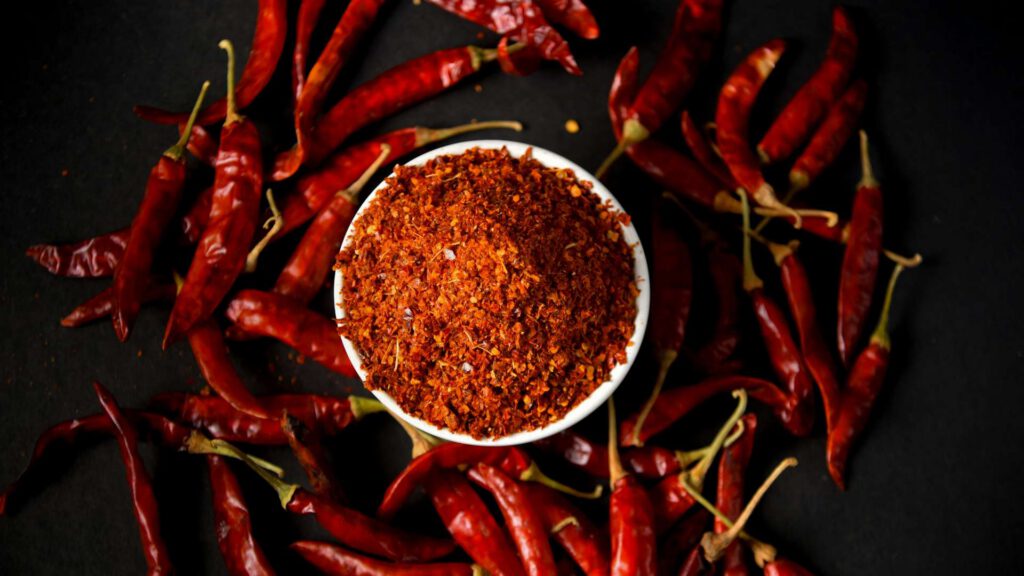
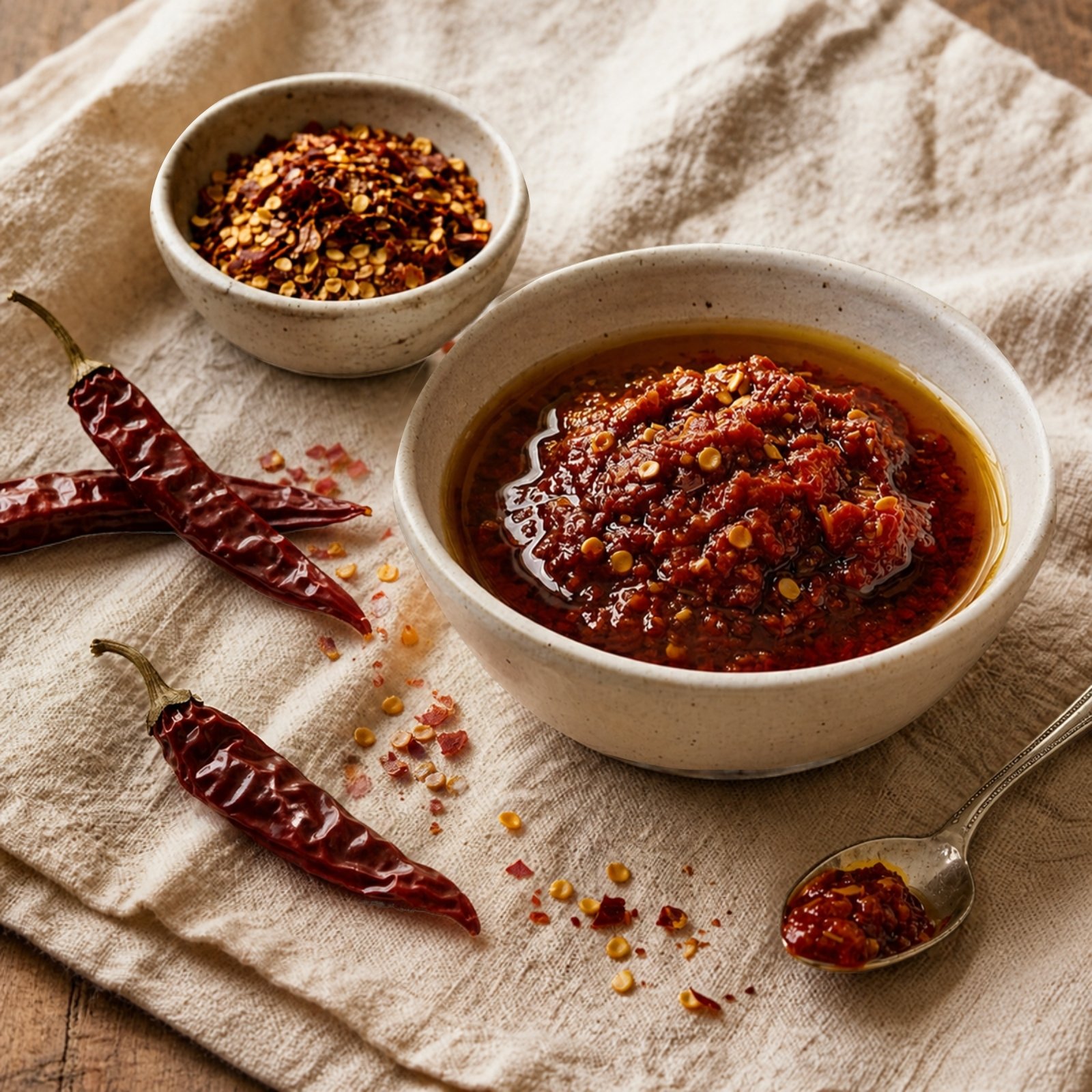
Bowl of homemade Calabrian chili paste with crushed chili flakes and dried chilies

Calabrian chili paste is a spicy, fruity paste made from Calabrian peperoncino chilies, usually crushed with oil, salt and sometimes vinegar. The best substitutes are homemade paste from crushed Calabrian chili and olive oil, a ready-made Calabrian chili cream, or other crushed red chili flakes mixed with oil. Use half the amount at first, then taste.

What is Calabrian chili paste?

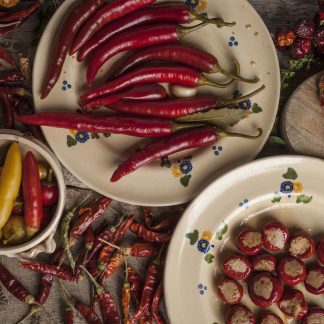
Calabria, in the toe of Italy, grows small red chilies called peperoncino that are used in almost everything: ’nduja, spicy salami, sauces and oil. Calabrian chili paste is those chilies chopped or crushed and preserved with oil and salt. Some versions add vinegar, which brightens the flavour.

Recipes have made it popular well beyond Italy: on pizza, in pasta sauces, mixed into mayonnaise, and on sandwiches.

What does it taste like?

Fruity, sometimes a little smoky (depending on how the chilies are dried), salty and warmly hot. The heat builds, rather than hitting all at once. Calabrian chilies are prized for having real flavour as well as heat.

How to make Calabrian chili paste

The closest homemade version uses crushed Calabrian chili. It’s made from dried chilies, so it’s a little earthier than jarred paste made from fresh ones. It takes two minutes:

  1. Put 3 tablespoons of crushed Calabrian chili in a small jar with a good pinch of salt.
  2. Pour over 4–5 tablespoons of extra virgin olive oil, enough to cover.
  3. Optional: add a splash of red wine vinegar.
  4. Stir, leave for 30 minutes to soften, then mash with a fork or blend to a rough paste.

Keep it in the fridge and use it within a week.

The best Calabrian chili paste substitutes

  1. Homemade paste from crushed Calabrian chili (above). It’s the same chili, so it’s the closest match.
  2. Calabrian chili oil. Spoon in the oil, plus any chili pieces in the bottle. Ideal for pasta, pizza and finishing.
  3. Crushed red pepper flakes plus olive oil. Make the paste above with ordinary chili flakes. Heat varies by brand, so start with half and taste.
  4. ’Nduja. For cooking, a spoonful of spicy ’nduja adds both chili and savoury depth. It’s not vegetarian, and it’s richer, but it’s delicious in pasta and on pizza.
  5. Sambal oelek or harissa. These are different flavour profiles, but they’re good in a pinch. Use less, and expect a different taste.

Can I use gochujang instead of Calabrian chili paste? You can, but it isn’t a close match. Gochujang is sweet, fermented and thick, while Calabrian paste is fruity, salty and oily. Use it only where a sweet-spicy note suits the dish.

Is there a milder option? Use less chili and more oil, or mix the paste with a little tomato purée or roasted red pepper.

How to use it

  • Stir it into tomato sauce or a simple aglio e olio.
  • Mix it into mayonnaise for sandwiches or fries.
  • Brush it on pizza crusts before baking.
  • Fold it into scrambled eggs, or spoon it over burrata.
  • Rub it onto chicken or fish before roasting.

How to get Calabrian chili

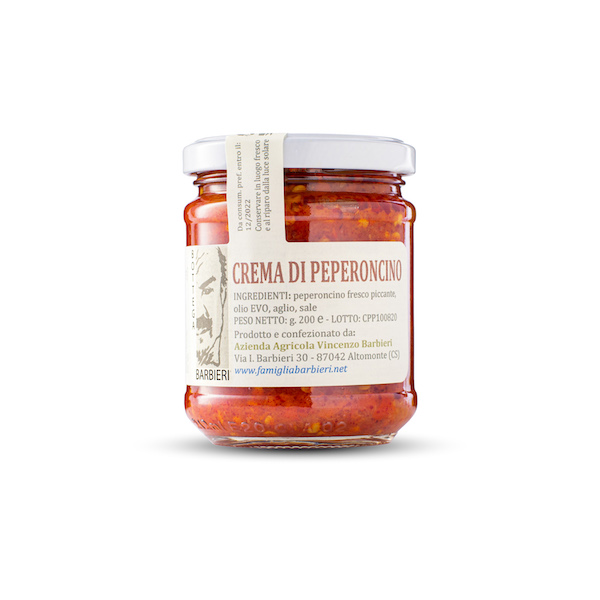
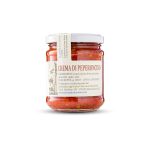
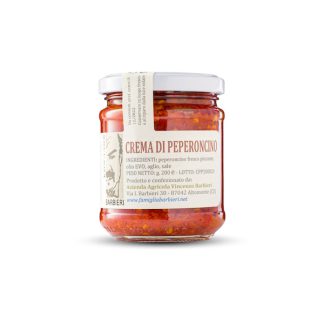
Bottega Barbieri’s crushed Calabrian chili and ready-made crema di peperoncino both come in the Fuoco Calabrese box, with ’nduja. The crushed chili is also in La Dispensa. Or build your own box. Browse all our Calabrian chili products.

Frequently asked questions

Is Calabrian chili paste very hot? Medium-hot, with a fruity, building heat. Start with a teaspoon.

What’s the best substitute for Calabrian chili paste? Homemade paste from crushed Calabrian chili and olive oil, or a ready-made Calabrian chili cream.

Does homemade chili paste need refrigerating? Yes. Keep it in the fridge and use it within a week.

Can I use chili flakes instead? Yes. Mix them with olive oil and salt to make a paste, and start with half the amount.

Posted on — Leave a comment

What Is ’Nduja? And How to Use It

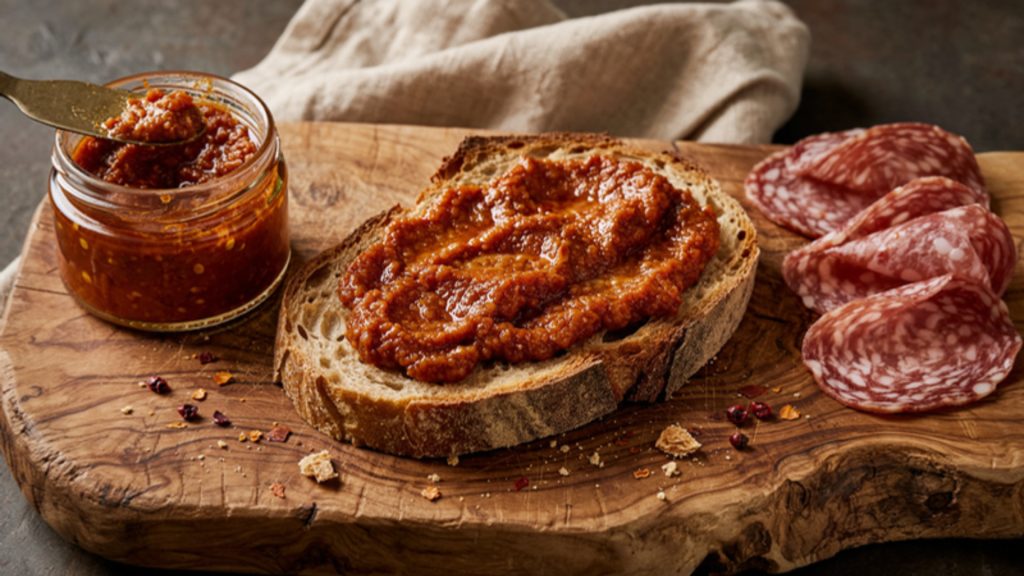
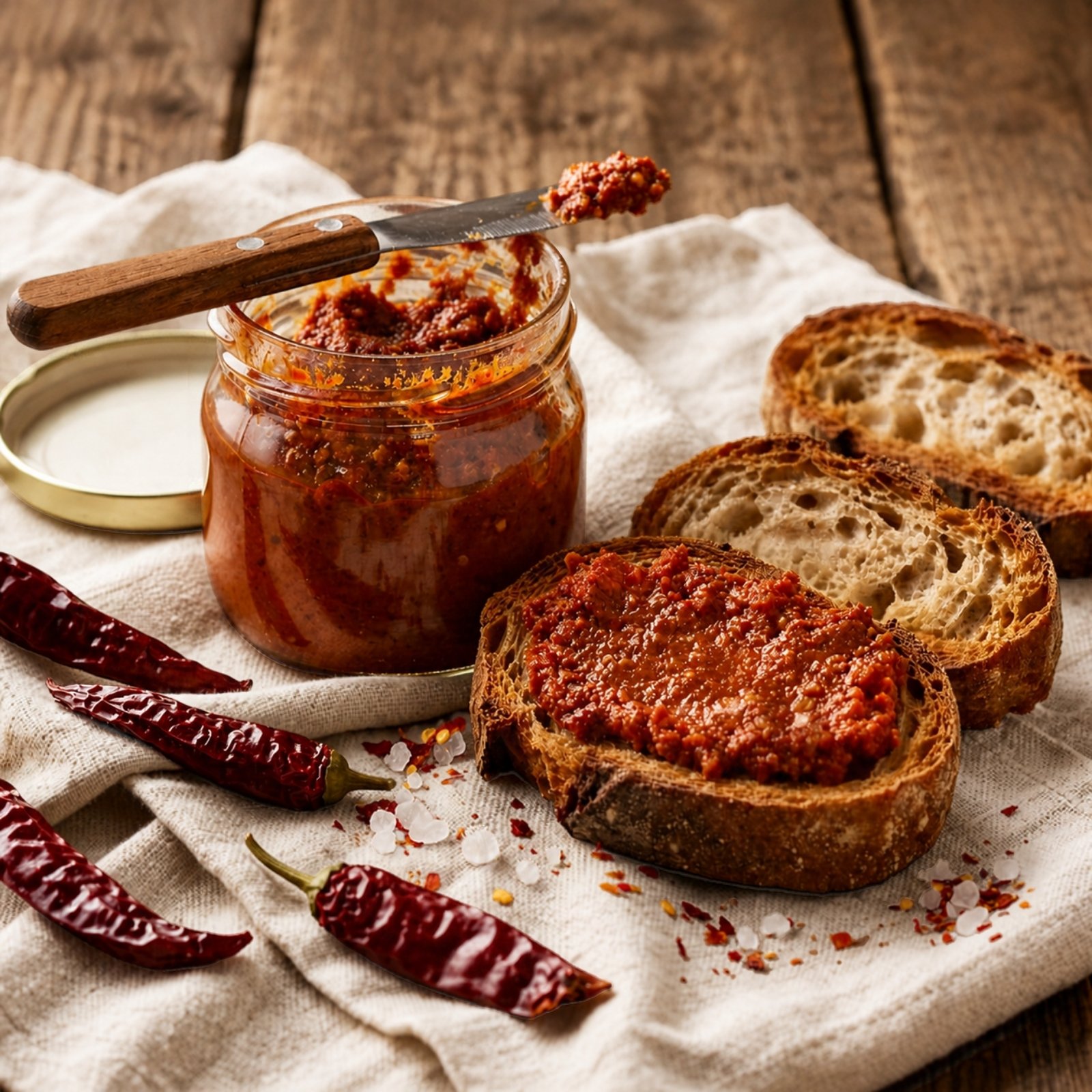
Jar of spreadable ’nduja with slices of toast and dried red chilies

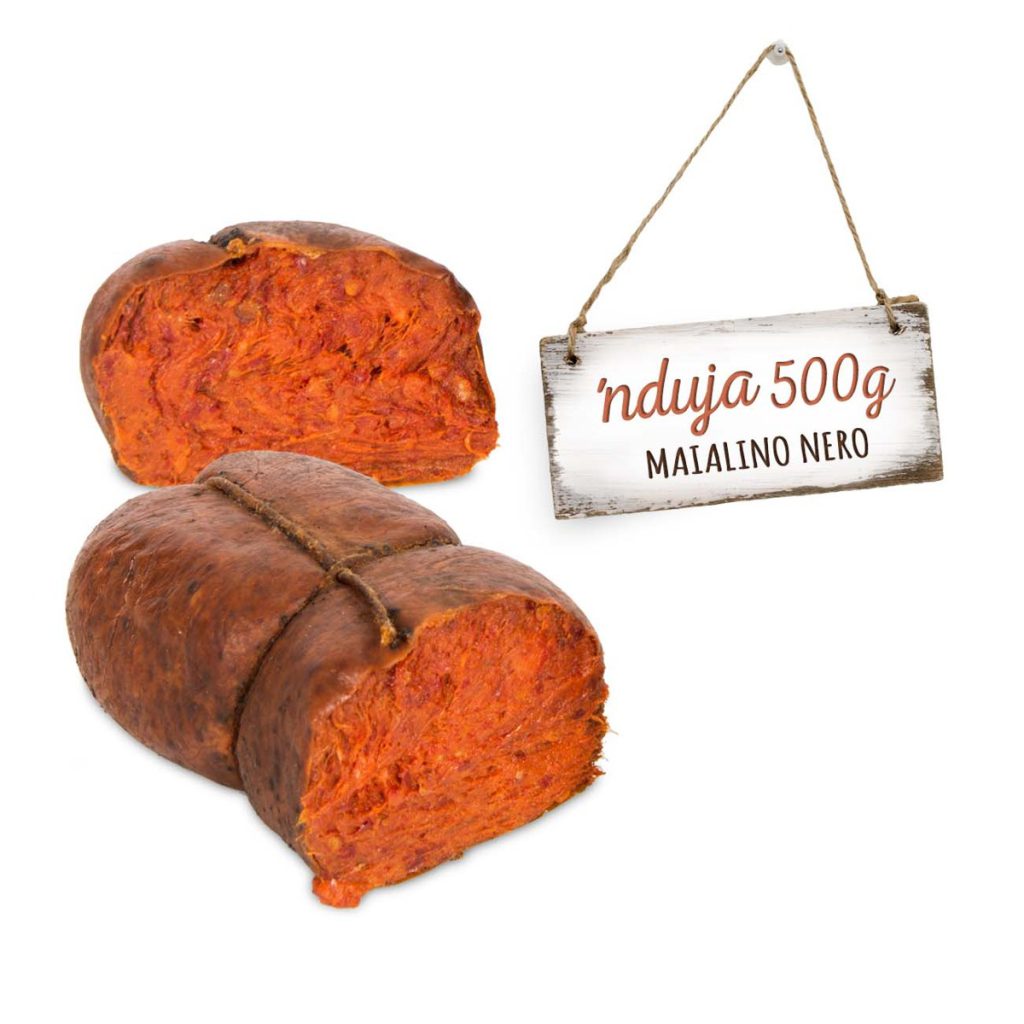
’Nduja (say en-DOO-ya) is a soft, spicy, spreadable pork salami from Calabria in southern Italy. It’s made from pork, pork fat and lots of Calabrian chili, cured until it’s soft enough to spread with a knife. It melts when heated, so cooks use it like a spicy, savoury butter.

What is ’nduja made of?

At its simplest, ’nduja is pork, pork fat, salt and Calabrian chili pepper. The meat and fat are minced very finely, mixed with a large amount of ground peperoncino, stuffed into a natural casing and left to cure. Some makers smoke it lightly as well.

The high fat content is what makes ’nduja different from other salami. It never sets firm, so it stays spreadable even after curing. The chili gives it its colour and its heat, and helps preserve it.

’Nduja began as a way of using every part of the pig. Traditionally, the less prized cuts went into it, and the chili made them both delicious and long-lasting. Many makers today use better cuts, but it’s still a farmhouse food at heart.

Where does ’nduja come from?

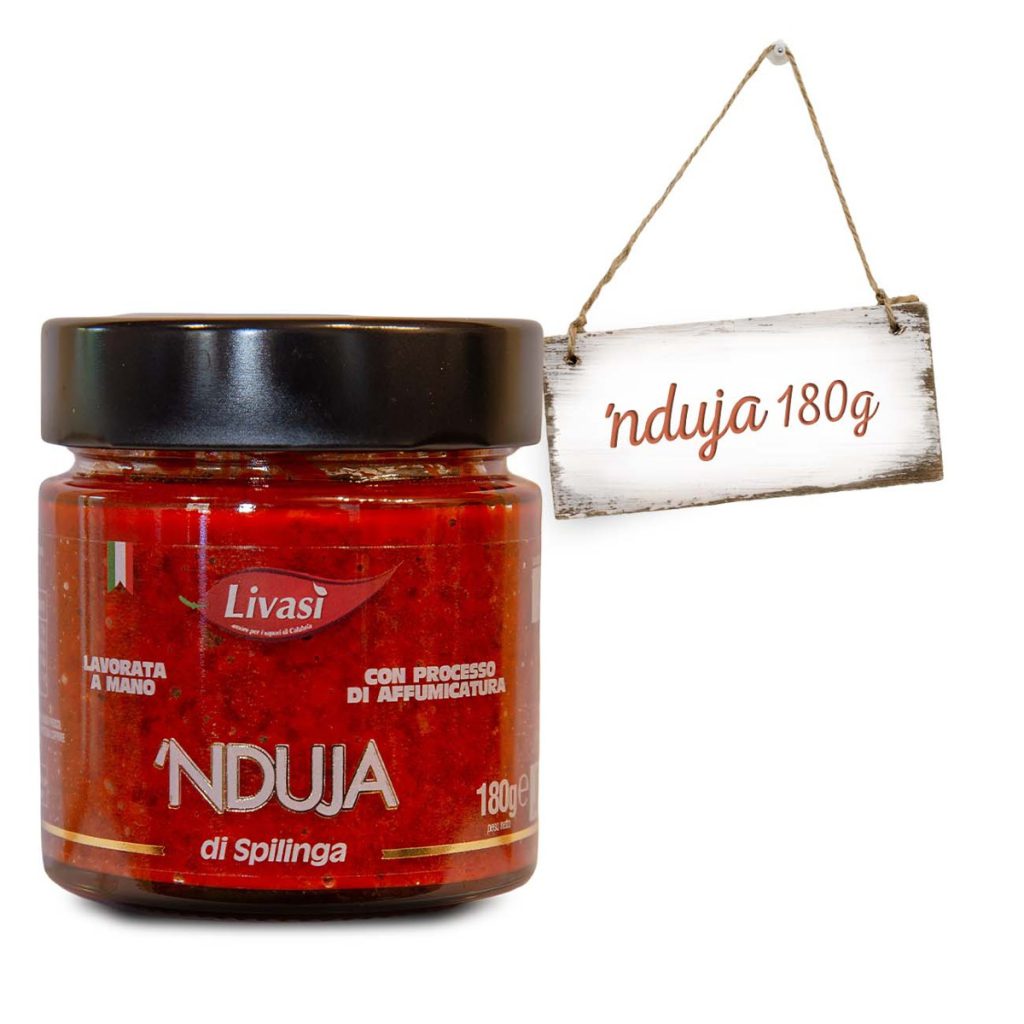
’Nduja comes from Spilinga, a small hill town in the province of Vibo Valentia, on Calabria’s Tyrrhenian coast. The town is so attached to it that ’nduja di Spilinga is a local point of pride.

The name is often said to come from the French andouille, a type of sausage, possibly via the Spanish or French rulers of southern Italy centuries ago. It’s a nice story, but nobody’s completely sure.

Is ’nduja DOP?

No. ’Nduja has no DOP or IGP protection. According to Italian press reports, producers applied in 2008 to register ’Nduja di Spilinga as an IGP, and the application is still pending: the name is not yet in the EU register of protected names. For now, “di Spilinga” on a label tells you where the maker is, not that the product is certified.

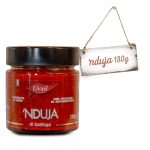
If you want ’nduja from Spilinga itself, ours from Salumificio Livasì is made there. Our ’Nduja Calabrese comes from the Pulice family in Carolei, near Cosenza.

How spicy is ’nduja?

It’s hot, but not as hot as it looks. A teaspoon stirred into a pan of pasta gives warmth and depth rather than fire, and cooking mellows it further. Eaten straight, spread on bread, the heat is more direct. If you like chorizo, you’ll get on with ’nduja. Start small and add more.

How to eat ’nduja

The golden rule: a little goes a long way. Because it melts, ’nduja works best as an ingredient that seasons a dish, rather than something you eat in slices. Here are the classic uses, then five easy recipes.

  • Melt it into olive oil over a low heat to make a spicy base for pasta, beans, soups or stews.
  • Spread it on warm toast or bruschetta, on its own or with soft cheese.
  • Dot it over pizza before baking.
  • Stir it into scrambled eggs, mashed potatoes or risotto at the end.
  • Mix it into butter, burgers or meatballs.

What does ’nduja go with?

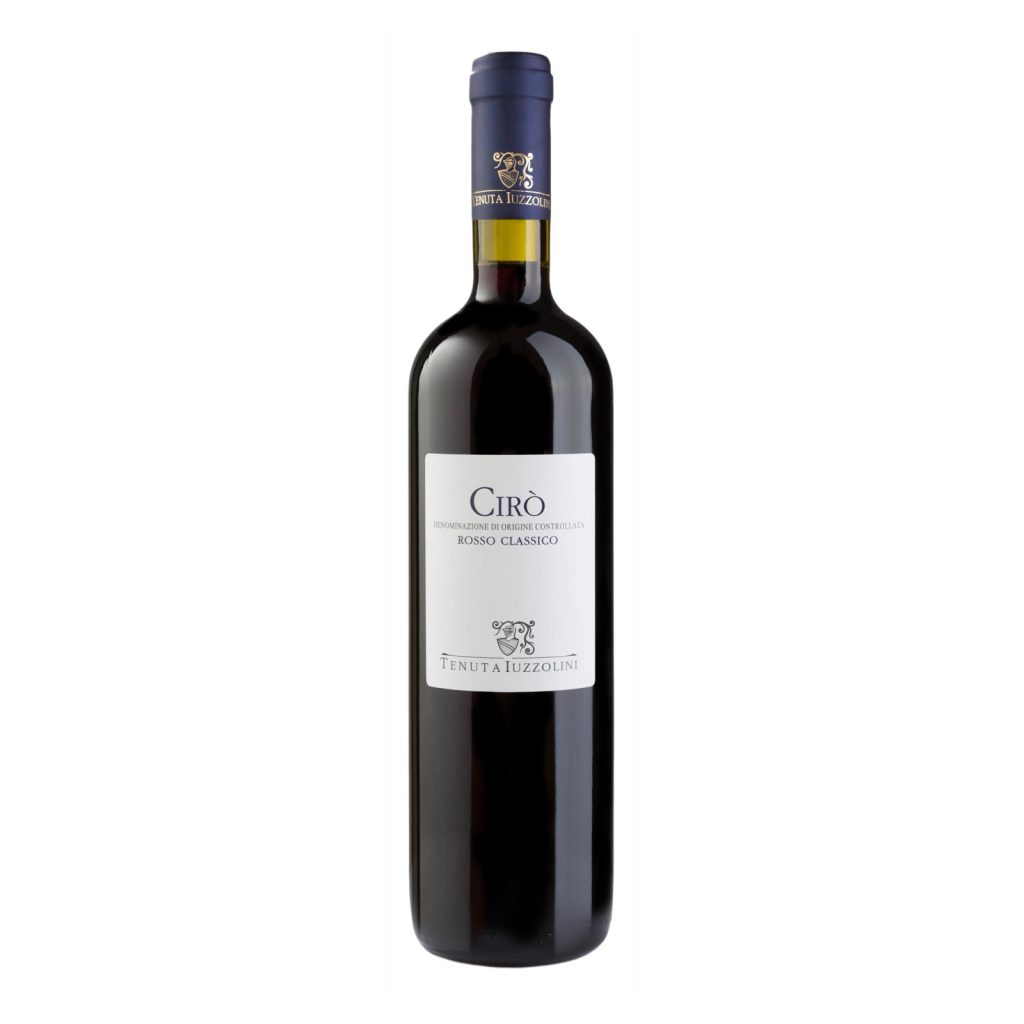
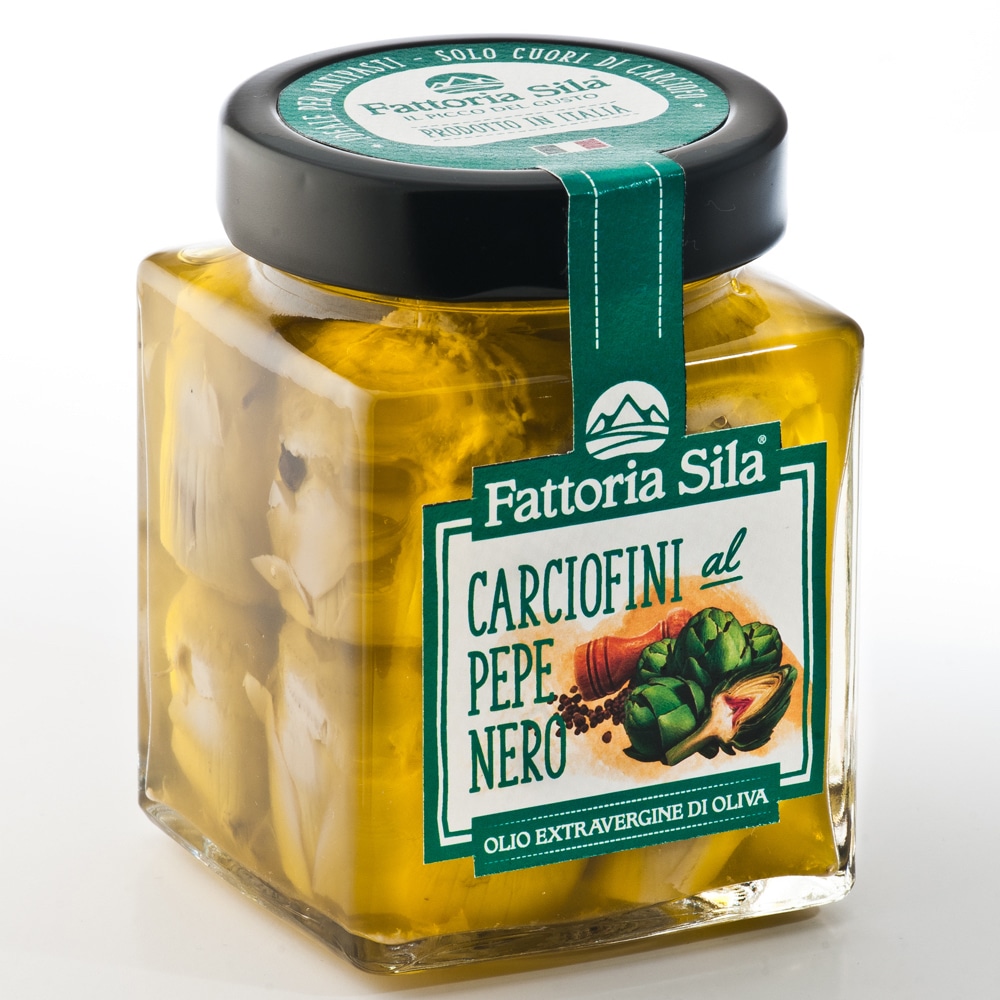
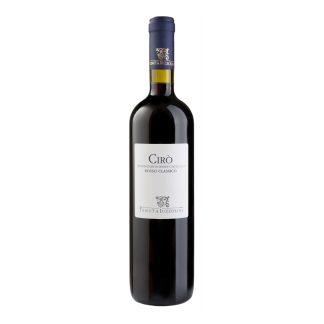
’Nduja loves anything rich, creamy or mild that can carry its heat: eggs, ricotta, burrata, mozzarella, potatoes, beans, pasta and seafood (especially scallops, prawns and mussels). Sweet things work surprisingly well too. Try honey, figs or a sweet onion jam alongside it. To drink, a fruity red like Cirò Rosso handles the chili well.

’Nduja recipes: pasta

1. ’Nduja pasta in 15 minutes

While the pasta cooks, warm 2 tablespoons of olive oil in a wide pan over a low heat and melt in 1–2 tablespoons of ’nduja. Add a spoonful of tomato paste or a handful of cherry tomatoes and cook for a few minutes. Toss in the drained pasta with a splash of pasta water until glossy, and finish with grated pecorino. Serves 2.

2. ’Nduja carbonara

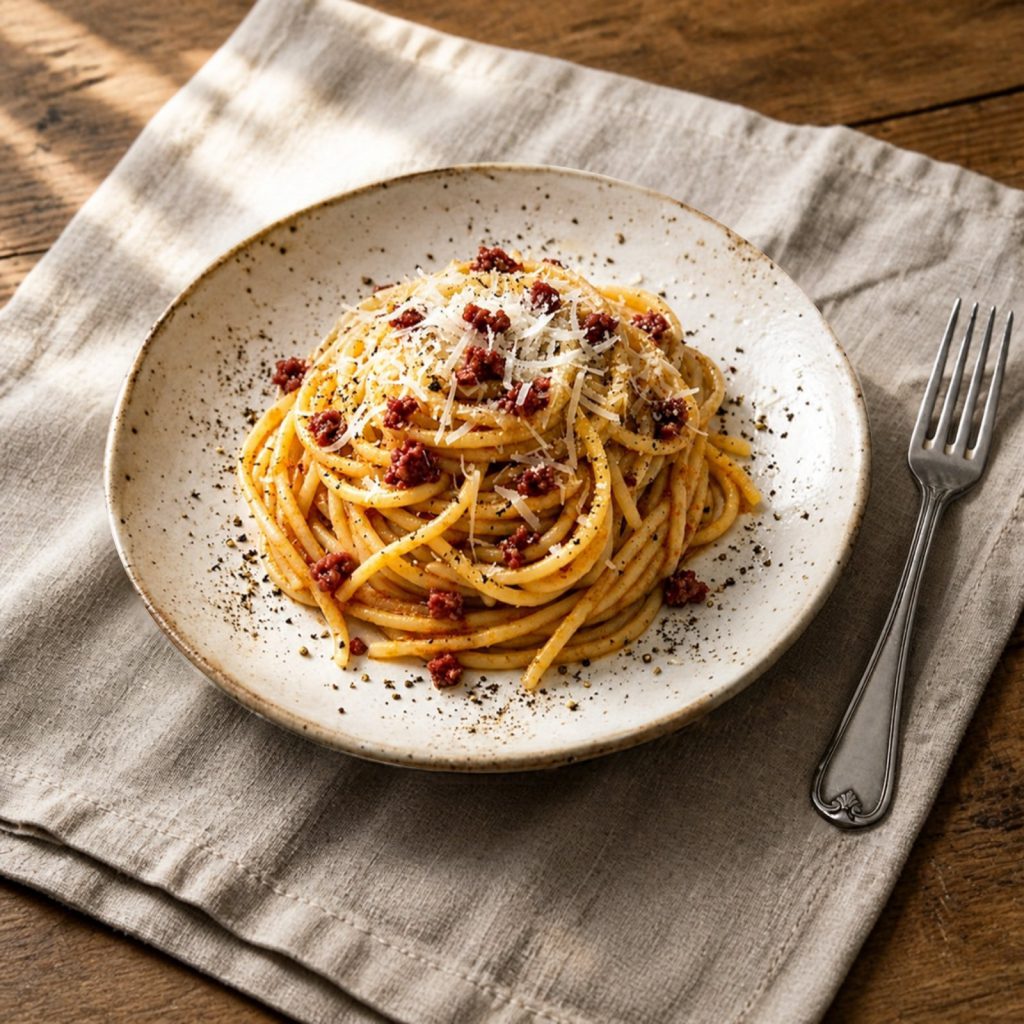
A Calabrian twist on the Roman classic: ’nduja instead of guanciale, with eggs and Pecorino Crotonese. Full recipe: ’Nduja Carbonara.

’Nduja recipes: not pasta

3. ’Nduja pizza

Make or buy a margherita base. Before baking, dot small teaspoons of ’nduja over the cheese. It melts into little pools of spicy oil. After baking, add a drizzle of Calabrian honey for a sweet-hot finish.

4. ’Nduja scrambled eggs on toast

Melt a teaspoon of ’nduja in butter, add beaten eggs and stir gently until just set. Pile them onto toast. A five-minute breakfast with a Calabrian kick.

5. ’Nduja butter

Mash 1 part ’nduja into 3 parts soft butter. Spread it on corn on the cob or warm bread, melt it over grilled steak or fish, or stir it into a pan of beans. It keeps for a week in the fridge.

How to store ’nduja

Keep it in the fridge. Once opened, press clingfilm onto the cut surface and use it within the time on the label. It can also be frozen in portions.

How to get our ’nduja

Our spicy ’nduja from Calabria comes in our Fuoco Calabrese, Calabria Discovery and Domenica a Tavola boxes, or you can build your own box around it. For more Calabrian heat, see our Calabrian chili cream, or browse our Calabrian cured meats.

Frequently asked questions

How do you pronounce ’nduja? En-DOO-ya. The apostrophe marks a dropped letter, and the “n” is barely sounded.

Is ’nduja raw? It’s cured, like salami, so it’s safe to eat without cooking, though most people cook it gently.

Can you freeze ’nduja? Yes. Freeze it in small portions and use it straight from frozen in cooking.

What can I use instead of ’nduja? Spicy chorizo, or soft salami mashed with chili paste, gets you close, but nothing quite matches it.