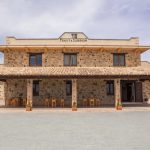

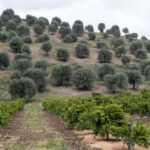
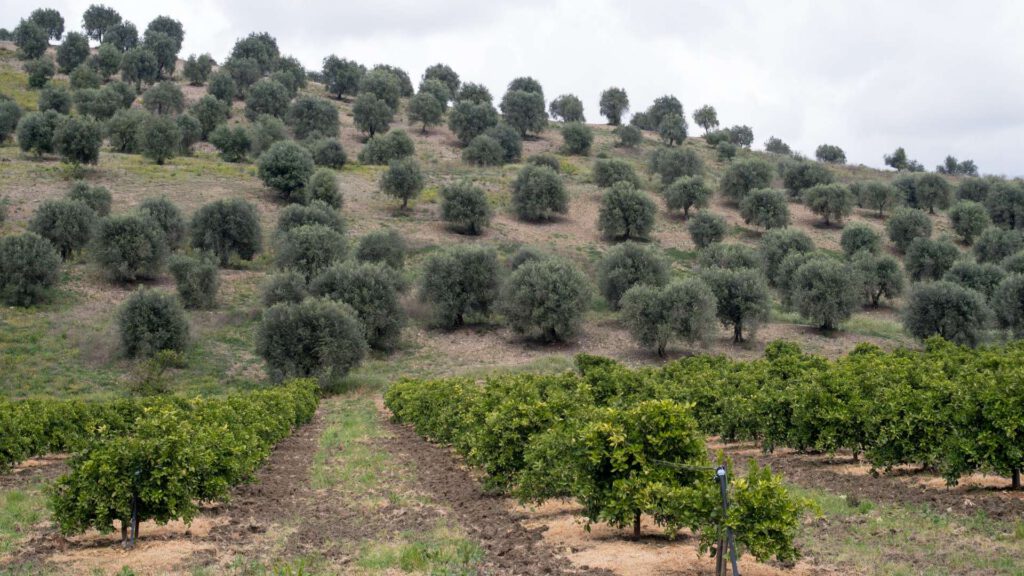
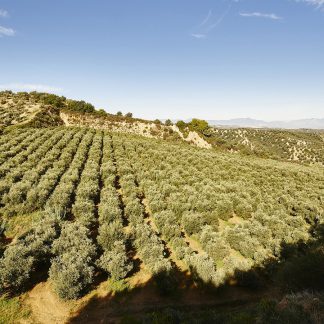
The road south from Crotone towards Cutro crosses open, rolling country, green in winter and gold by June, where sheep have right of way by custom if not by law. Out at Località Arceri, a family that has raised sheep for as long as anyone there remembers decided, in the end, to make the cheese as well.
The family
Shepherds first
The Brugnano family have bred sheep and goats since 1960, from selected breeds registered in the herd book. Since 1993 they have used organic farming methods, and in 2000 they began turning their own flocks’ milk into cheese, closing the chain from pasture to wheel. The company is Casearia Crotonese.
They tell the cheese’s history with some ambition, from Homer and Magna Graecia to the sixteenth-century trade through the port of Crotone to Naples.
Non aggiungiamo niente di più di quello che la natura ci dona. We add nothing beyond what nature gives us.
Casearia Crotonese
The flock
3,000 sheep on 800 hectares
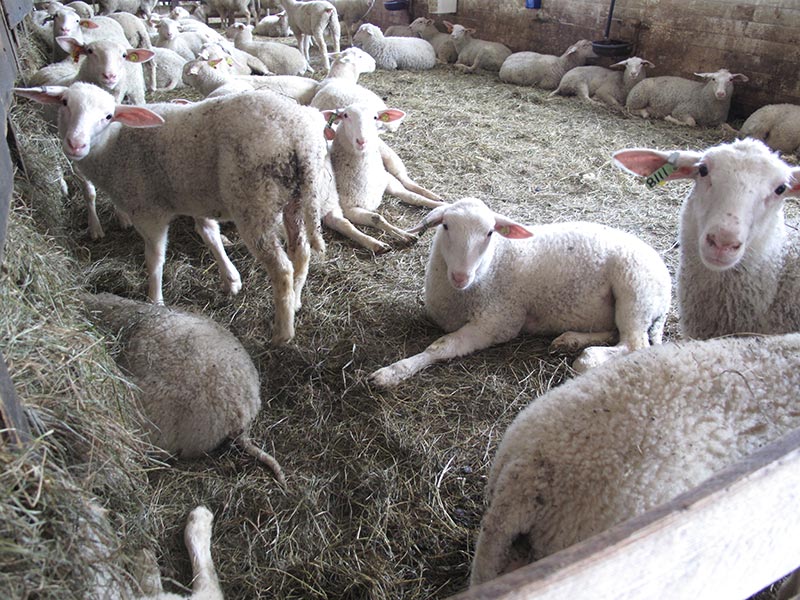
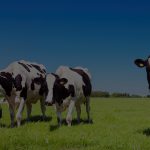
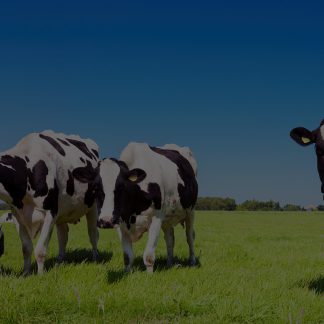
The farm counts about 3,000 sheep on 800 hectares. The animals are raised semi-wild, the family writes, and fed mainly on the wild plants of the area, under the regular care of the company vet.
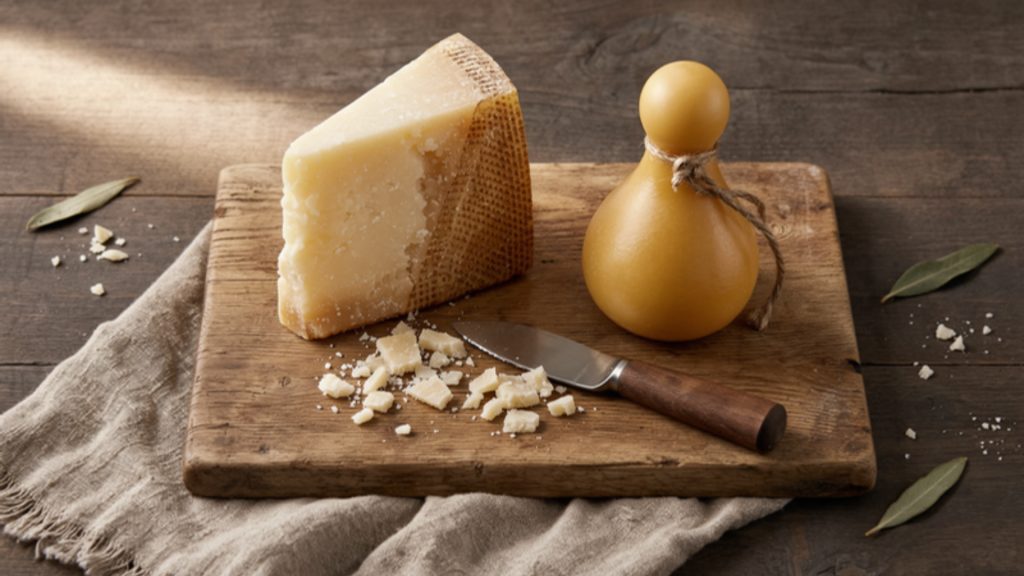
It is the kind of grazing that ends up in the cheese: the producer describes their Pecorino Crotonese by its gentle scent of sheep’s milk, joined by hay, ripe field herbs and a faint hint of hazelnut and smoke.
The cheese
Pecorino Crotonese, four ways
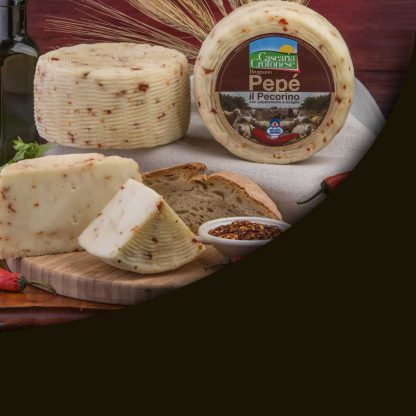
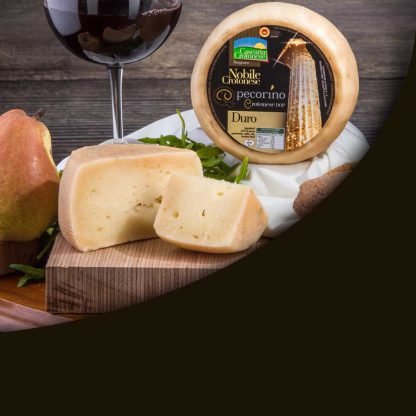
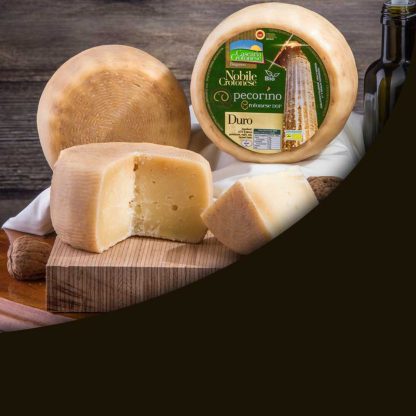
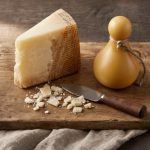
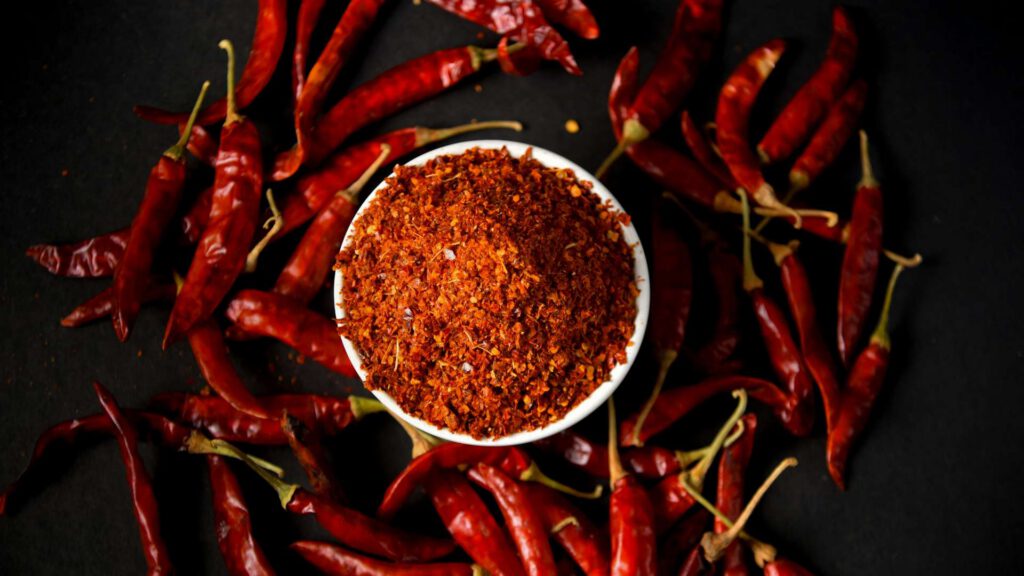
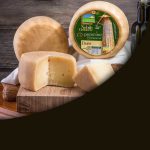
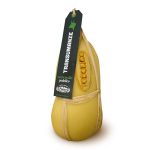
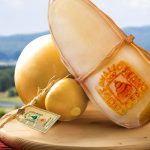
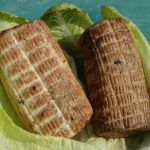
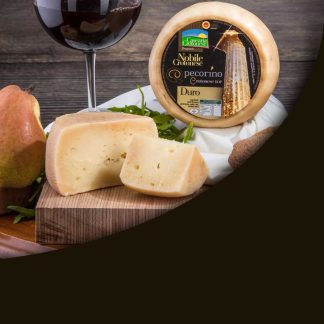
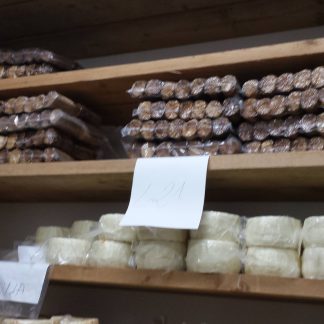
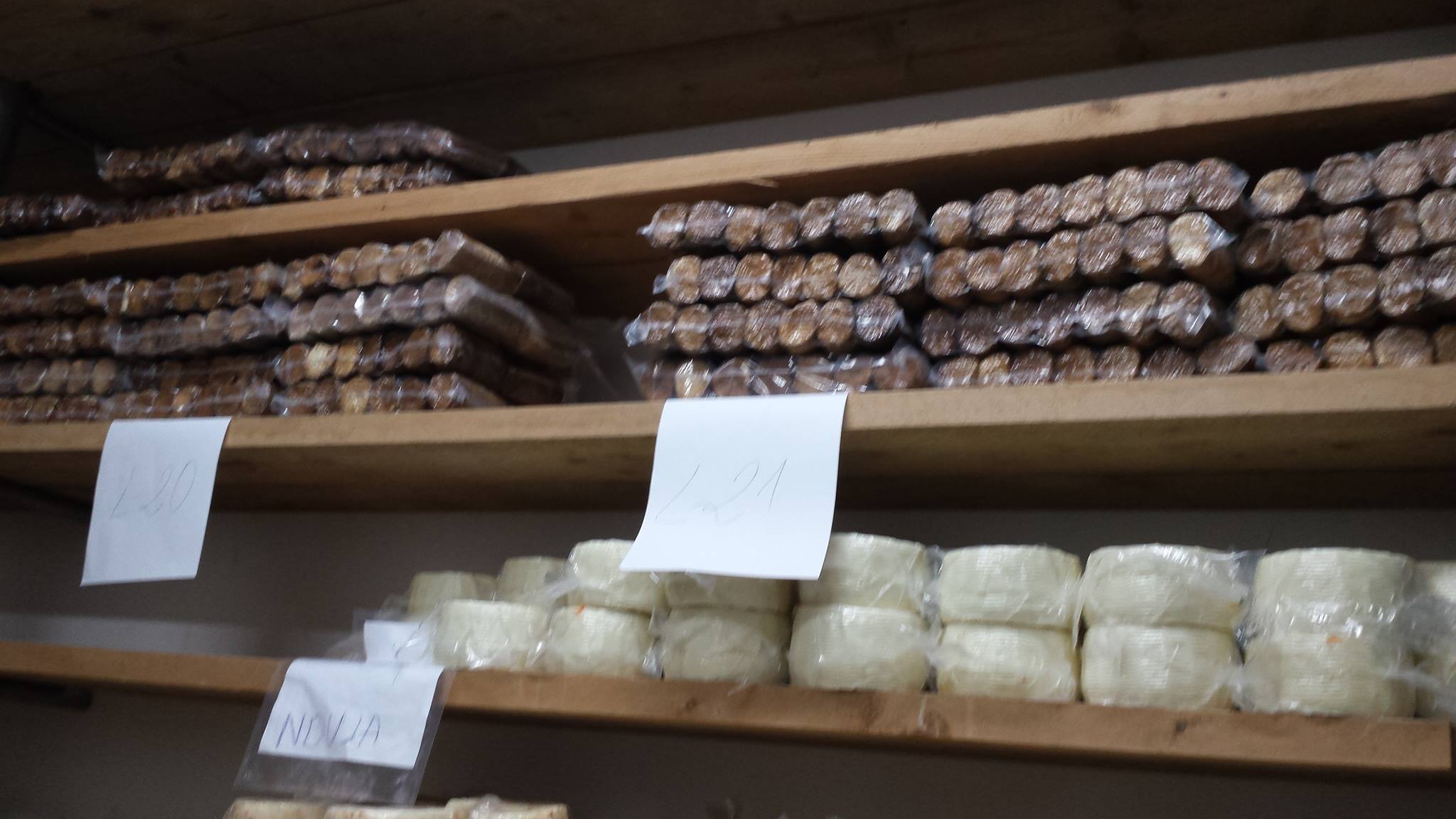
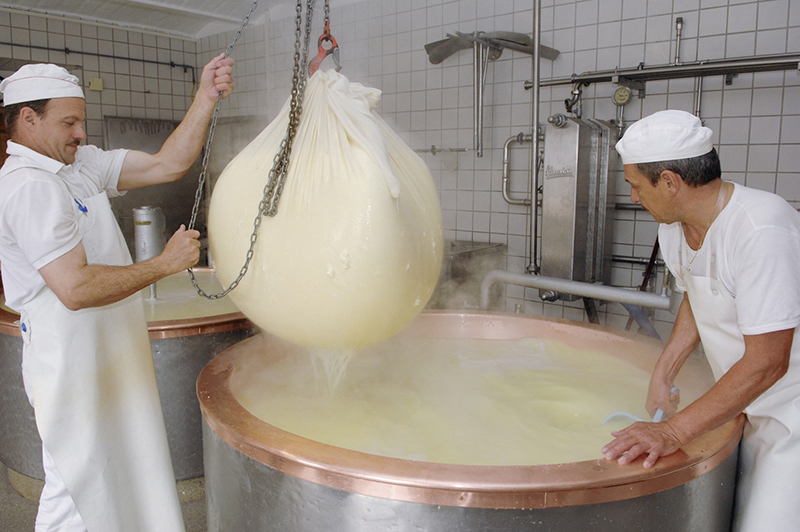
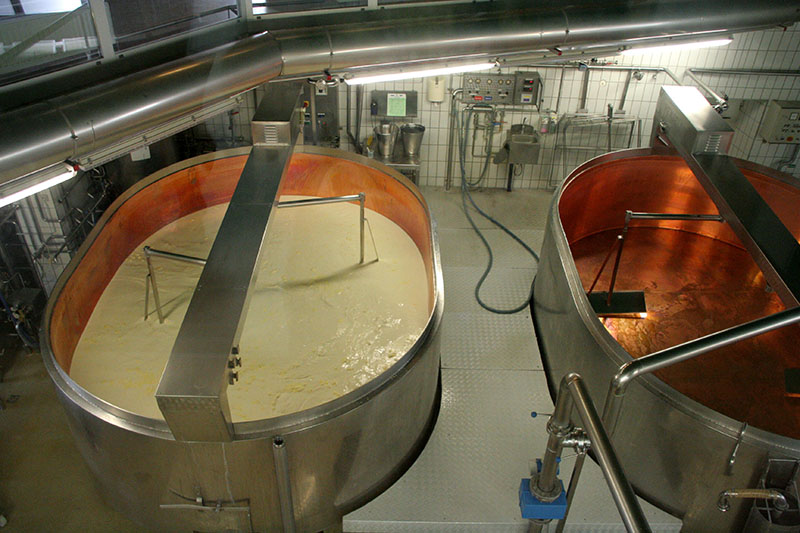
Pecorino Crotonese is a semi-cooked cheese made by rennet coagulation of whole sheep’s milk; a whole cheese weighs about 2 kg. Casearia Crotonese makes it as Pecorino Crotonese DOP and as an organic DOP, alongside an organic pecorino, a pecorino with chili and ricotta. The company states that it holds BRC and IFS certification.
One suspects the sheep are unaware of any of this, which is probably for the best.
In your box
From Cutro to your box
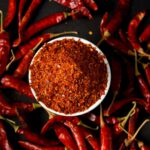
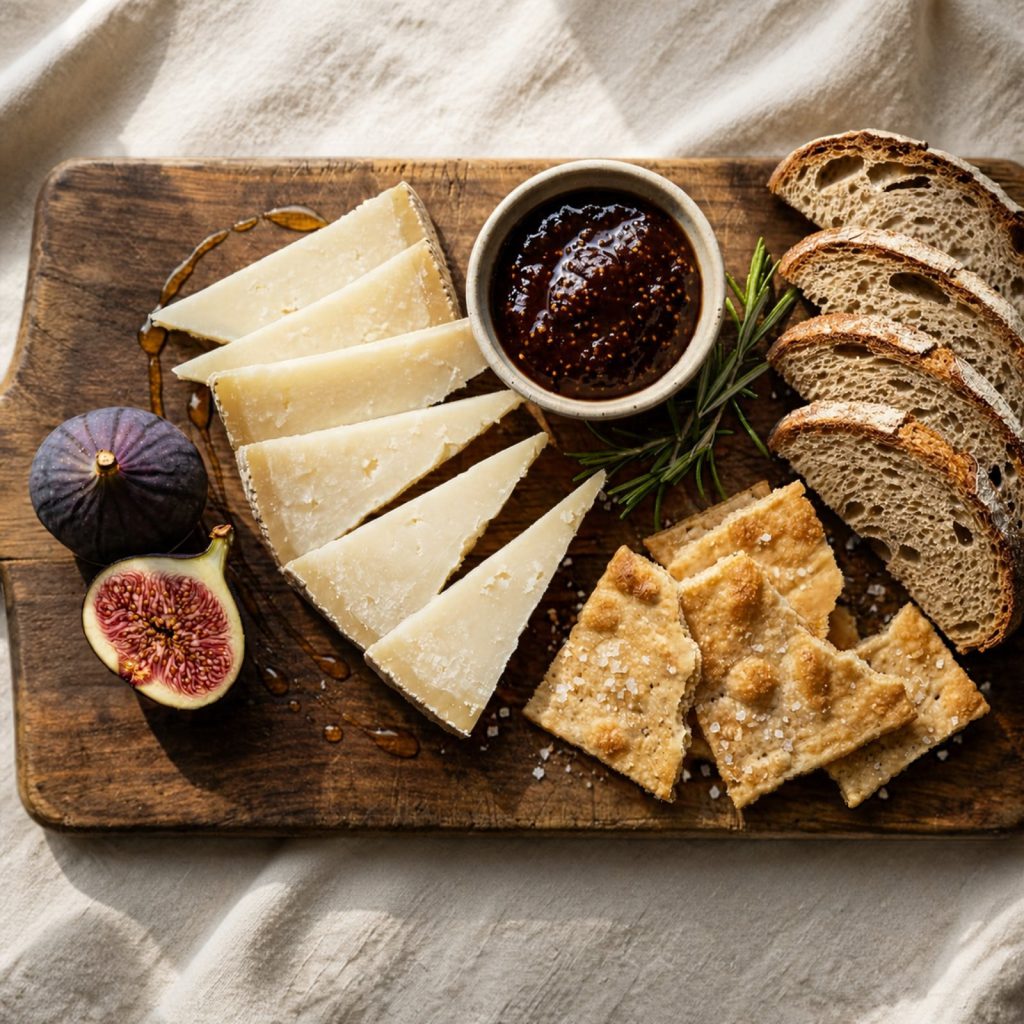
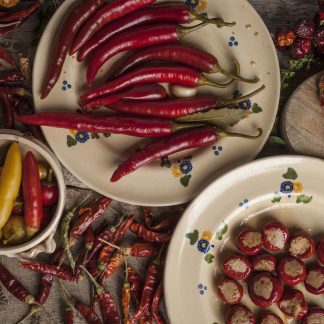
The Casearia Crotonese cheeses in our Pantry are Pecorino Crotonese DOP, Pecorino Crotonese DOP Bio and Pecorino con Peperoncino.