


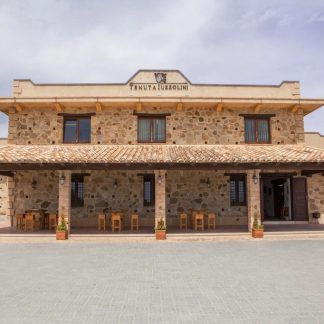
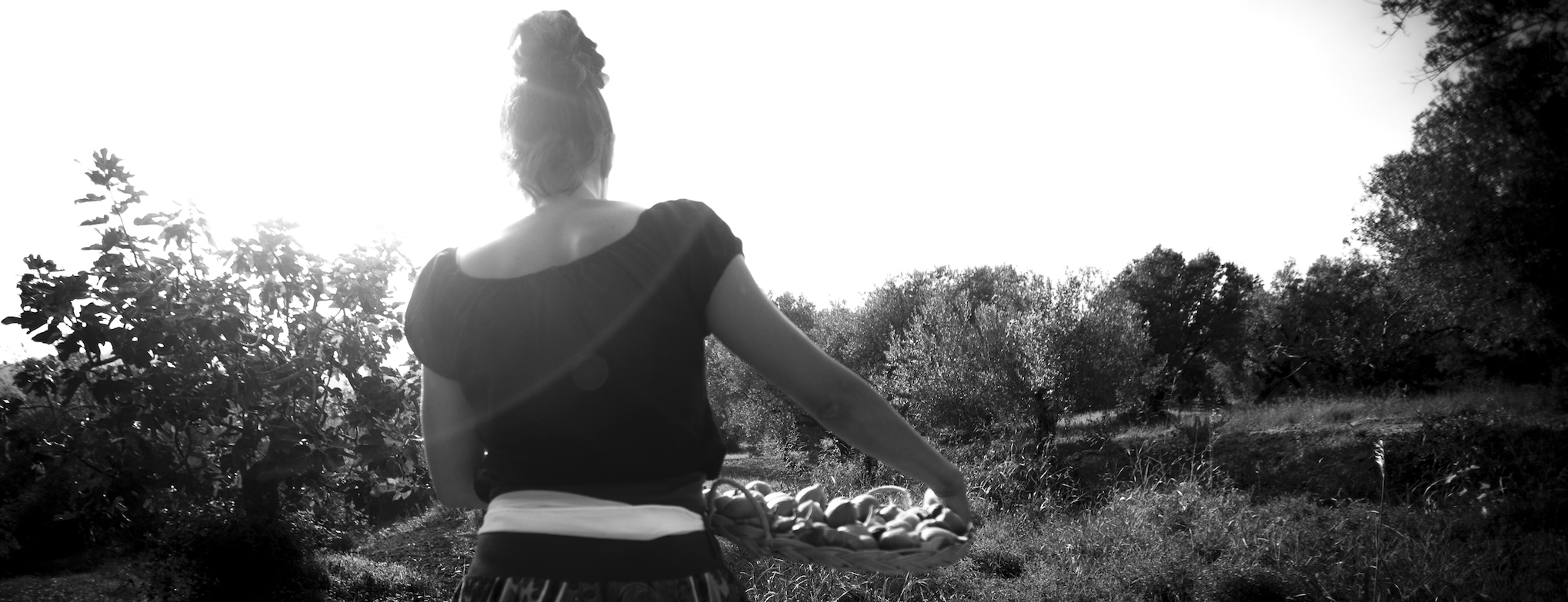
In September, Amantea’s fig workshops receive the year’s figs still pale from the trees, and the town settles in for the season. At Via Garibaldi, one family has been doing this since 1930, to a recipe that, by its own account, has never been written down for anyone else.
The family
Since September 1930
“Era il mese di Settembre del 1930.” That is how the Marano family begin their story: with Bartolo Marano, the head of the family, who devised the secret recipe that has since been passed from father to son. The workshop moved from Belmonte Calabro to Amantea, and the Fratelli Marano have now worked figs for three generations.
The recipe at the heart of it is an original molasses, scented with cinnamon, bay, myrtle and other natural aromas, still prepared late in the evening.
Era il mese di Settembre del 1930. It was September 1930.
Fratelli Marano
The figs
Dottato, dried on cannizzole
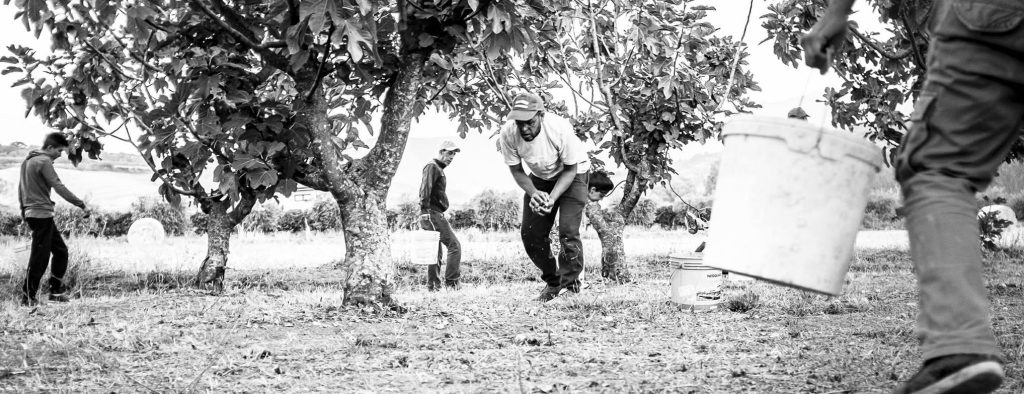
The figs are Dottato, the fig of the Cosenza hinterland, which the family notes has carried the DOP mark since June 2011. In the hills inland, they are dried in the sun on racks of woven reeds, the cannizzole of local dialect.
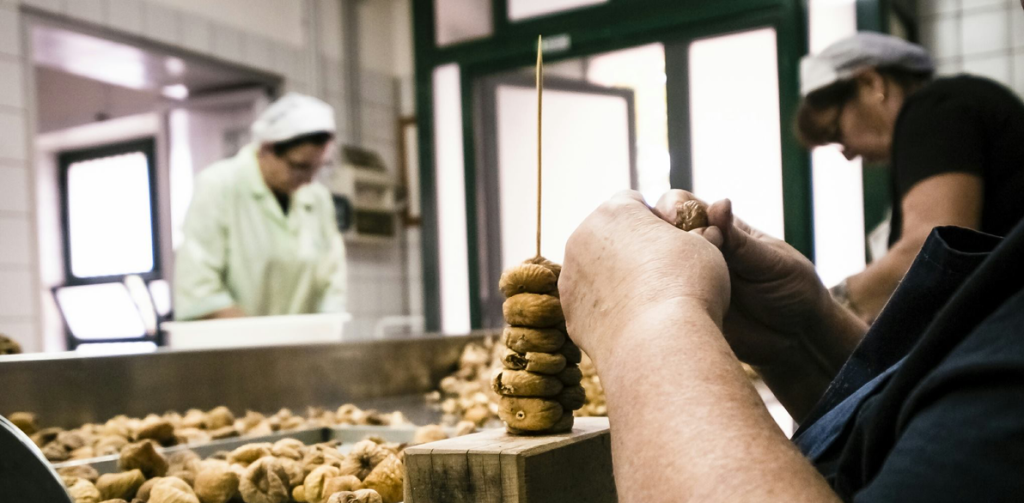
Every stage of the work on the dried figs, the family writes, is done by hand, and the figs are baked in the oven.
The range
From crocette to chili chocolate
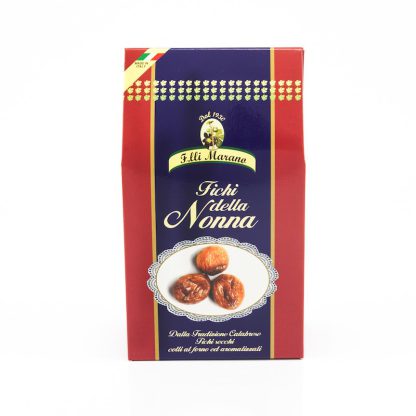
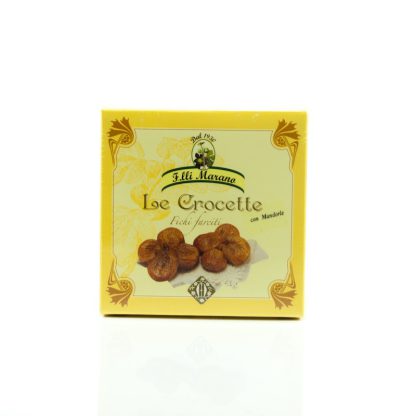
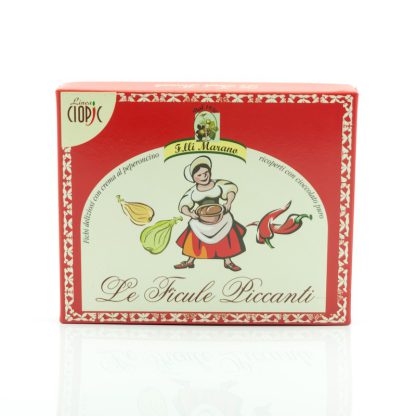
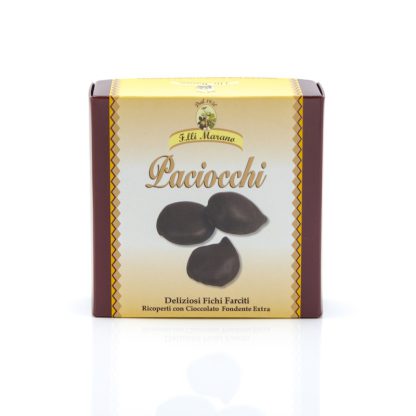
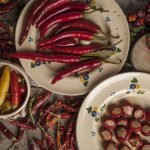
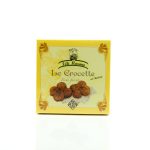
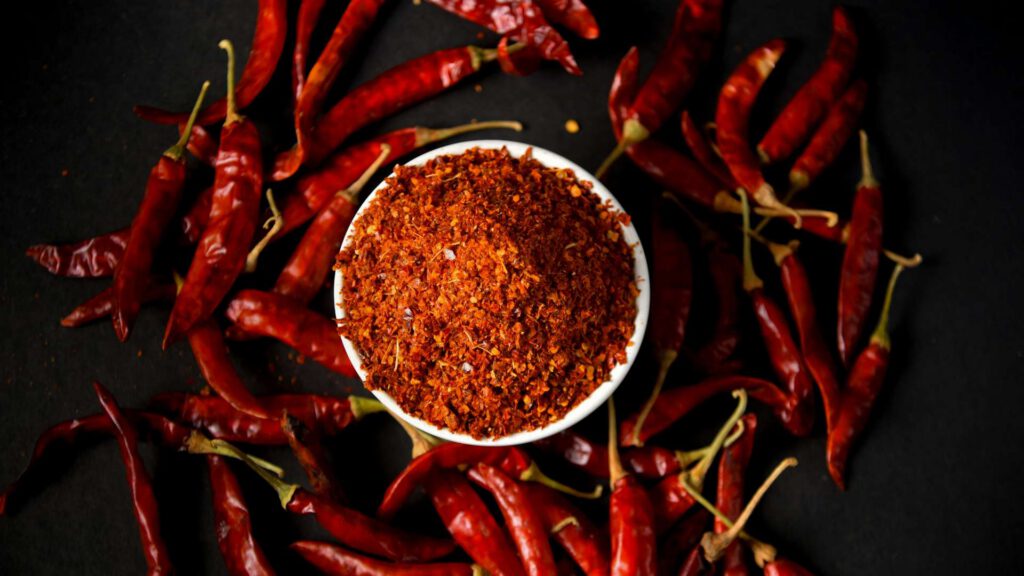
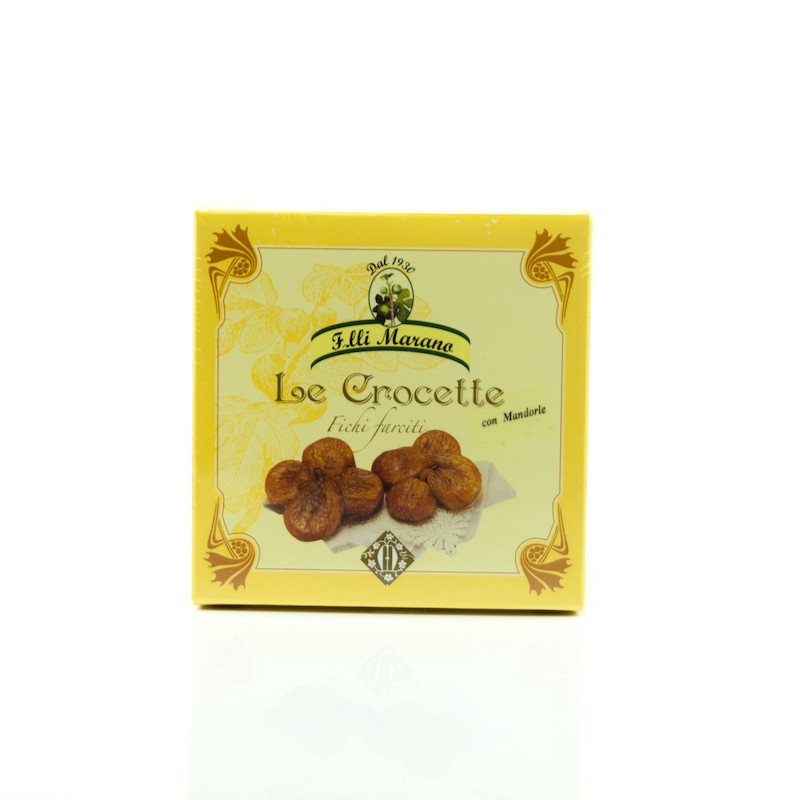
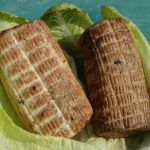
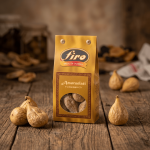
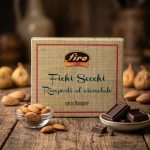
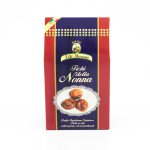
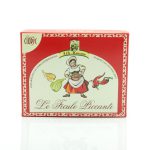
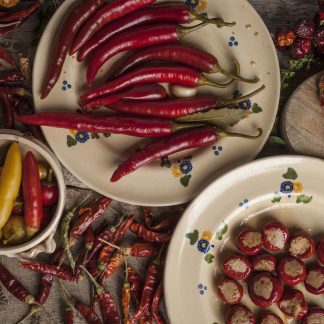
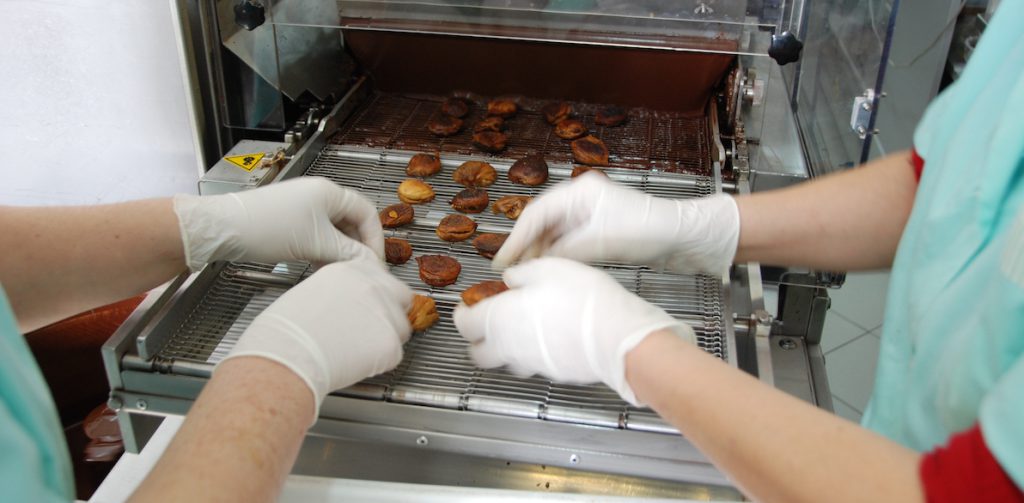
There are crocette filled with almonds or walnuts, plain figs “della Nonna”, braids and crowns of figs, figs in white or extra-dark chocolate, and Le Ficule, chocolate-covered figs with creams of coffee, limoncello, rum, hazelnut, bergamot or chili. In 2015 the Venezuelan illustrator Sara Fratini drew a box for their “Marano (è) Arte” line.
It is a remarkable amount of invention to have come out of one fig, and the fig, it must be said, has taken it well.
In your box
From Via Garibaldi to your box
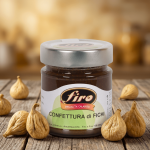
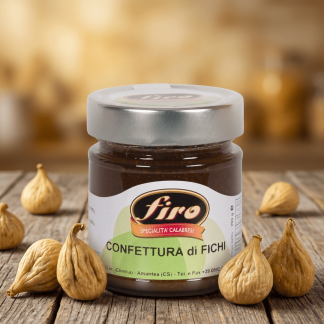
The Marano figs in our Pantry are Le Crocette alle Mandorle, I Fichi della Nonna, Paciocchi and Le Ficule Piccanti.