


What Is ’Nduja? And How to Use It
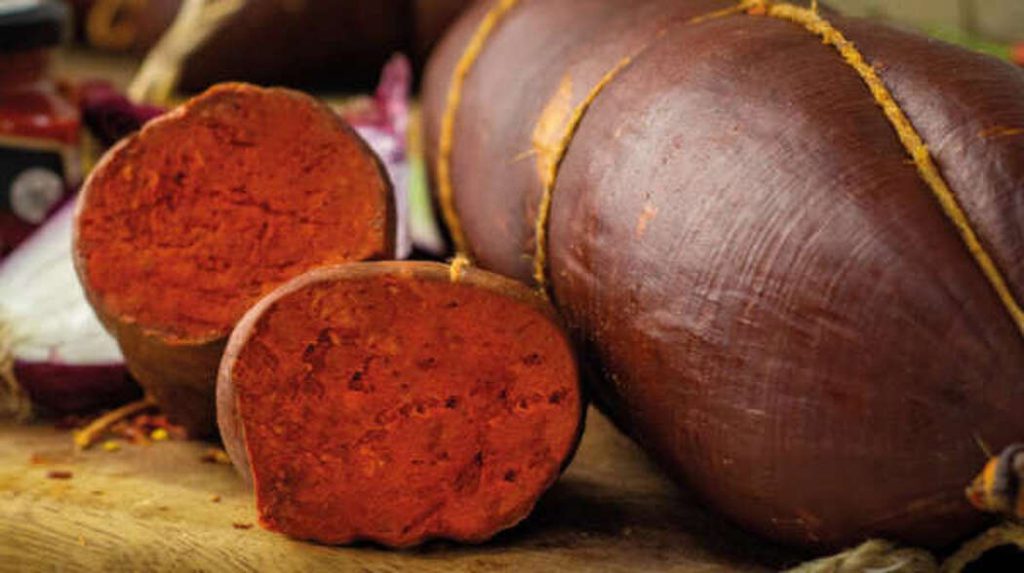
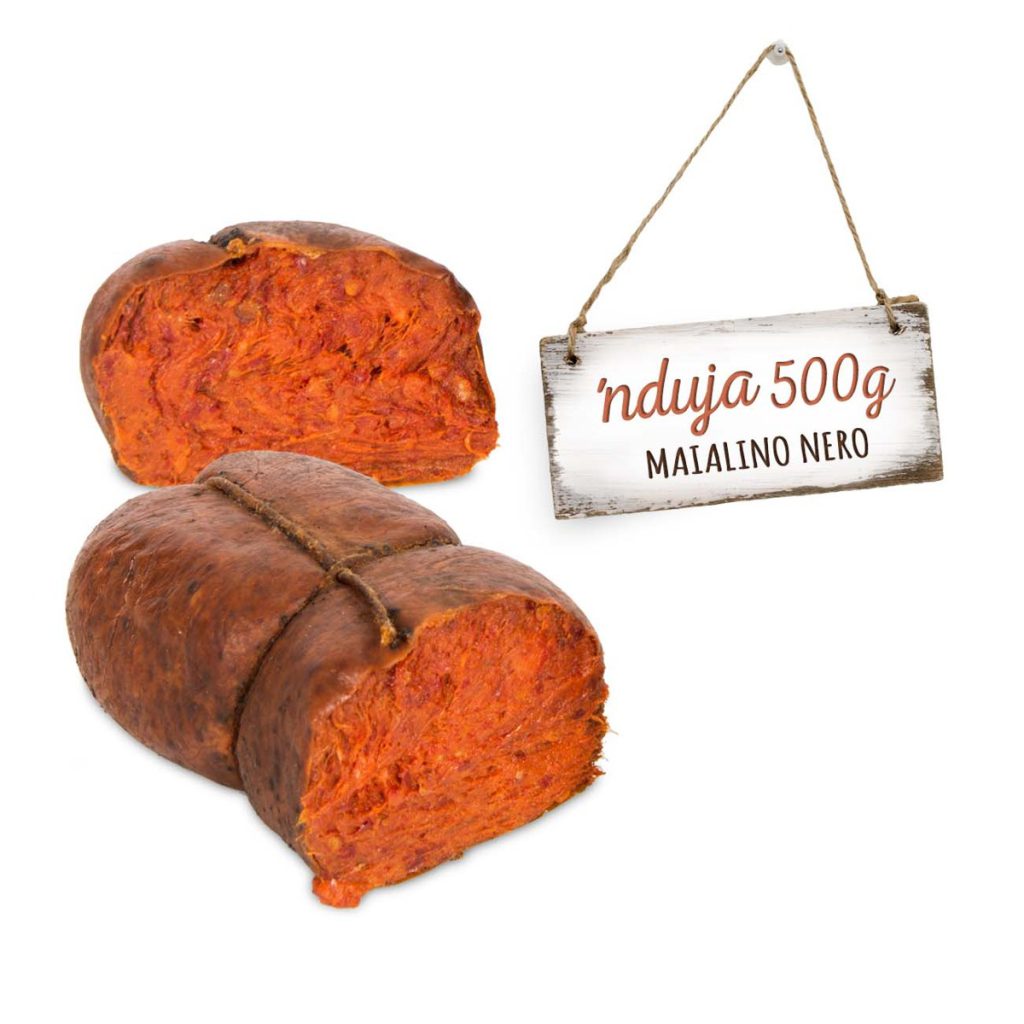
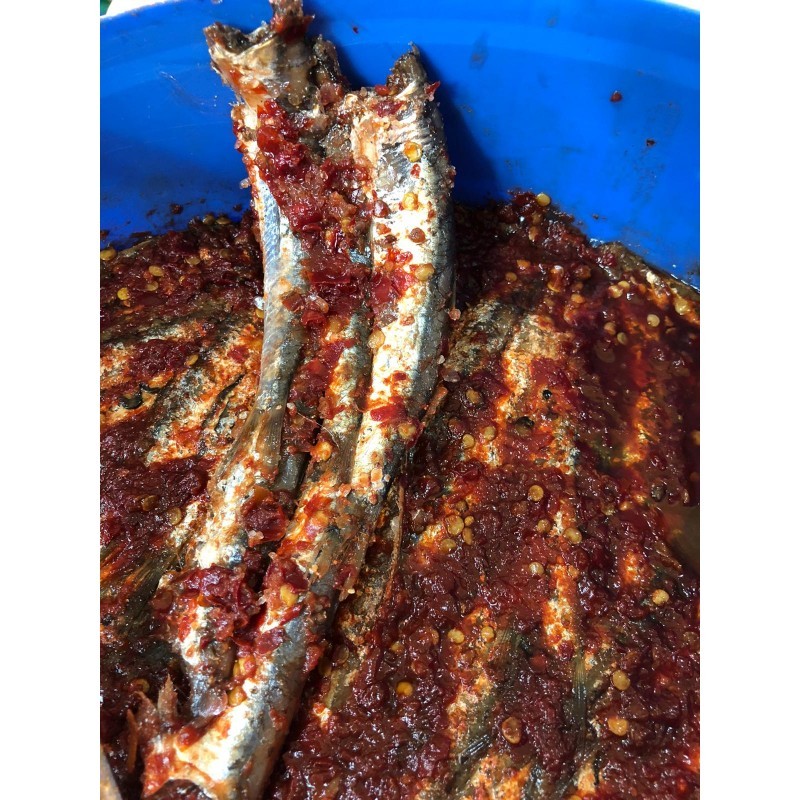
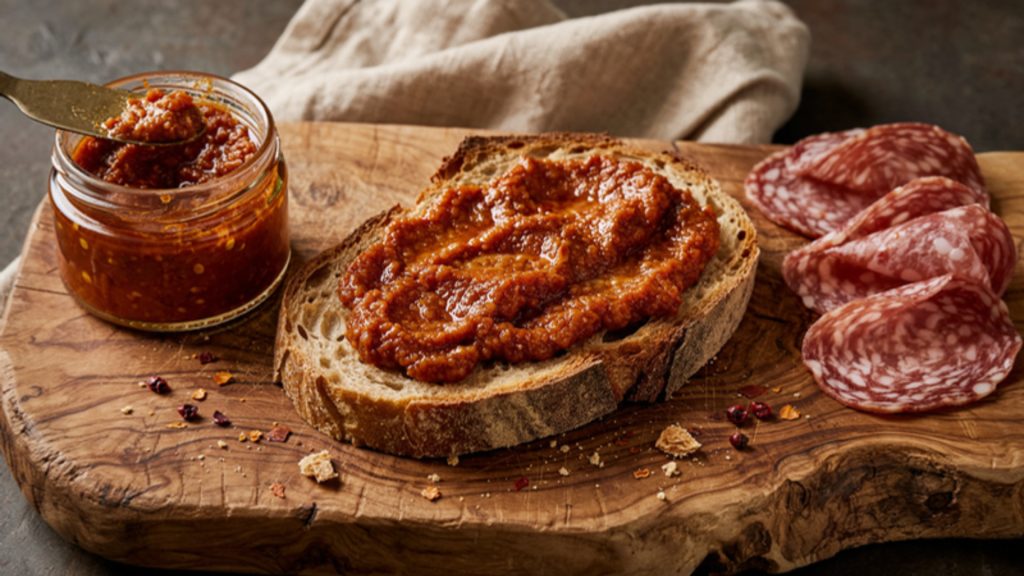
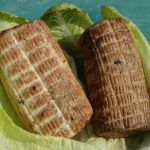
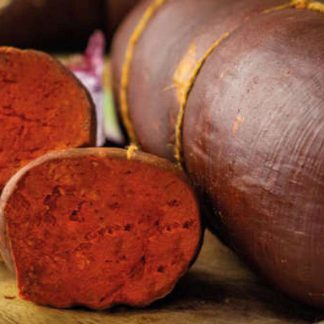
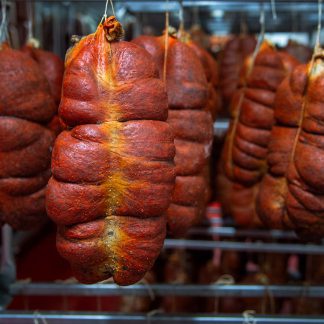
’Nduja (say en-DOO-ya) is a soft, spicy, spreadable pork salami from Calabria in southern Italy. It’s made from pork, pork fat and lots of Calabrian chili, cured until it’s soft enough to spread with a knife. It melts when heated, so cooks use it like a spicy, savoury butter.
What is ’nduja made of?
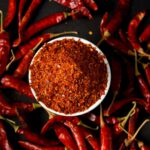
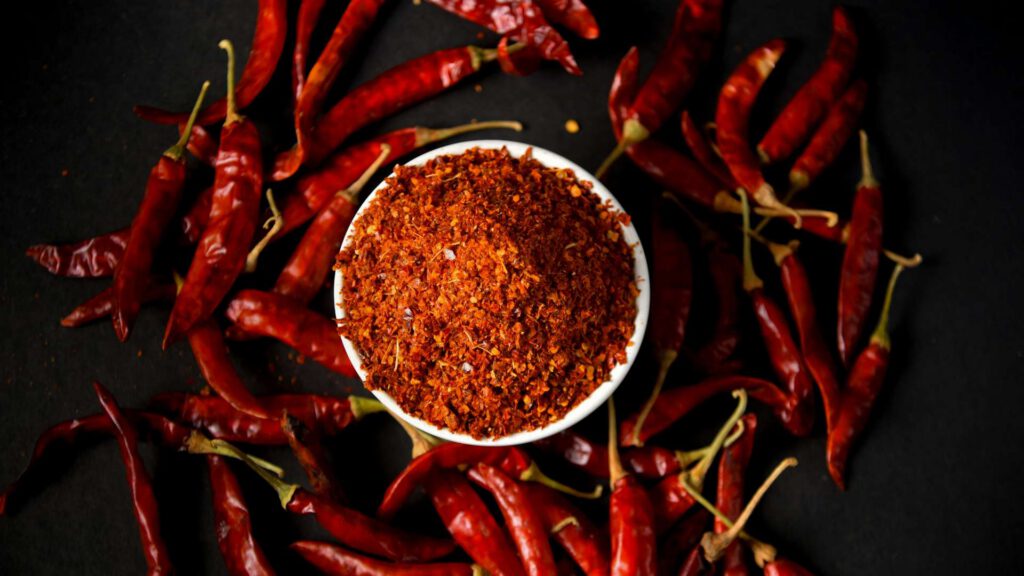
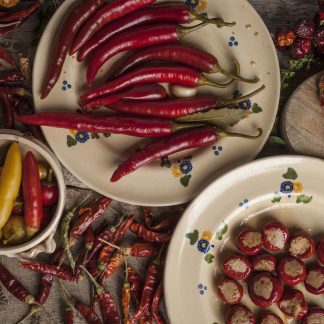
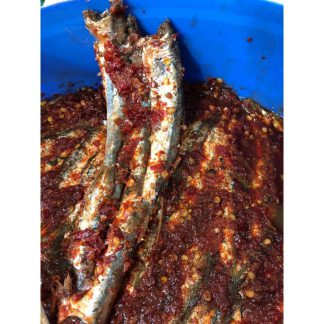
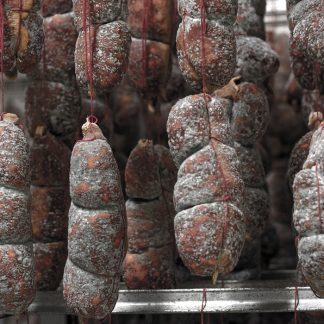
At its simplest, ’nduja is pork, pork fat, salt and Calabrian chili pepper. The meat and fat are minced very finely, mixed with a large amount of ground peperoncino, stuffed into a natural casing and left to cure. Some makers smoke it lightly as well.
The high fat content is what makes ’nduja different from other salami. It never sets firm, so it stays spreadable even after curing. The chili gives it its colour and its heat, and helps preserve it.
’Nduja began as a way of using every part of the pig. Traditionally, the less prized cuts went into it, and the chili made them both delicious and long-lasting. Many makers today use better cuts, but it’s still a farmhouse food at heart.
Where does ’nduja come from?
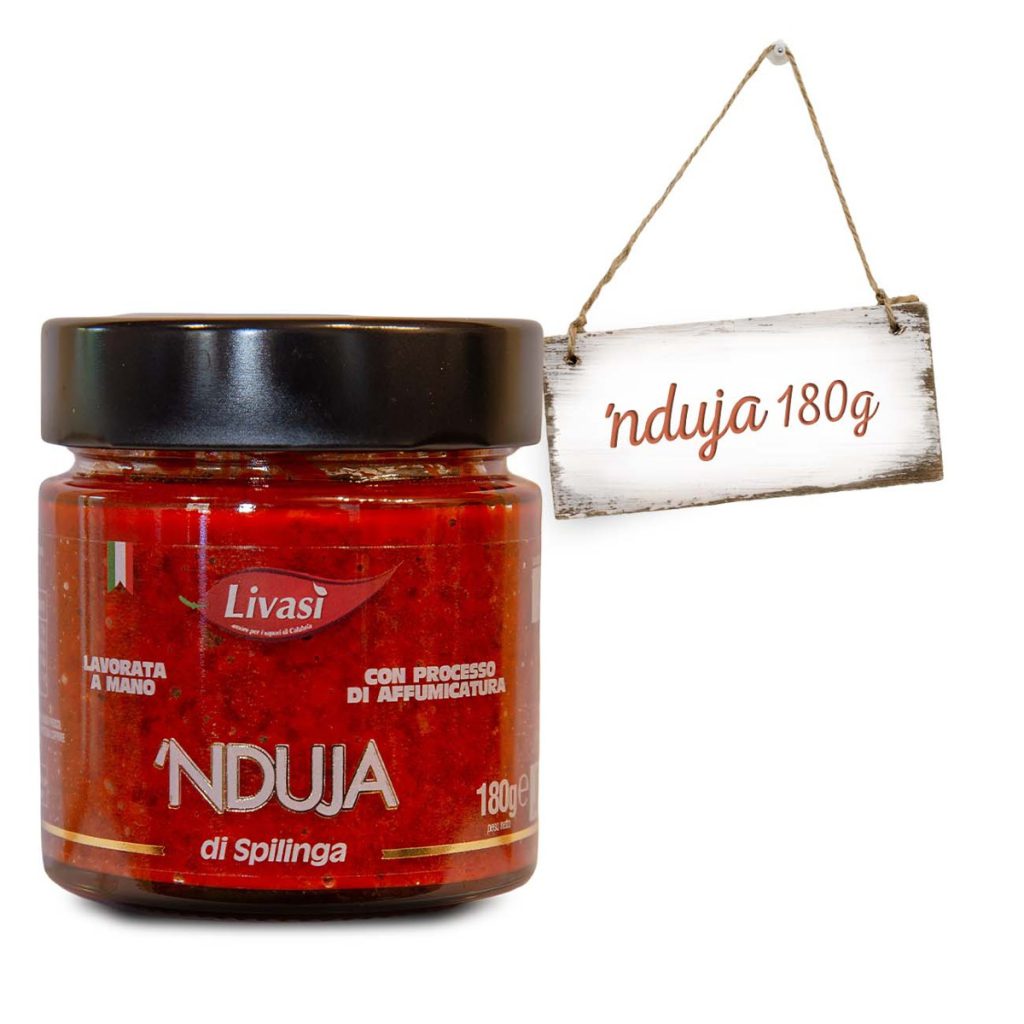
’Nduja comes from Spilinga, a small hill town in the province of Vibo Valentia, on Calabria’s Tyrrhenian coast. The town is so attached to it that ’nduja di Spilinga is a local point of pride.
The name is often said to come from the French andouille, a type of sausage, possibly via the Spanish or French rulers of southern Italy centuries ago. It’s a nice story, but nobody’s completely sure.
Is ’nduja DOP?
No. ’Nduja has no DOP or IGP protection. According to Italian press reports, producers applied in 2008 to register ’Nduja di Spilinga as an IGP, and the application is still pending: the name is not yet in the EU register of protected names. For now, “di Spilinga” on a label tells you where the maker is, not that the product is certified.
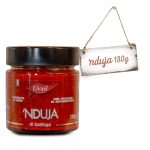
If you want ’nduja from Spilinga itself, ours from Salumificio Livasì is made there. Our ’Nduja Calabrese comes from the Pulice family in Carolei, near Cosenza.
How spicy is ’nduja?
It’s hot, but not as hot as it looks. A teaspoon stirred into a pan of pasta gives warmth and depth rather than fire, and cooking mellows it further. Eaten straight, spread on bread, the heat is more direct. If you like chorizo, you’ll get on with ’nduja. Start small and add more.
How to eat ’nduja
The golden rule: a little goes a long way. Because it melts, ’nduja works best as an ingredient that seasons a dish, rather than something you eat in slices. Here are the classic uses, then five easy recipes.
- Melt it into olive oil over a low heat to make a spicy base for pasta, beans, soups or stews.
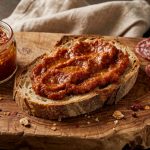
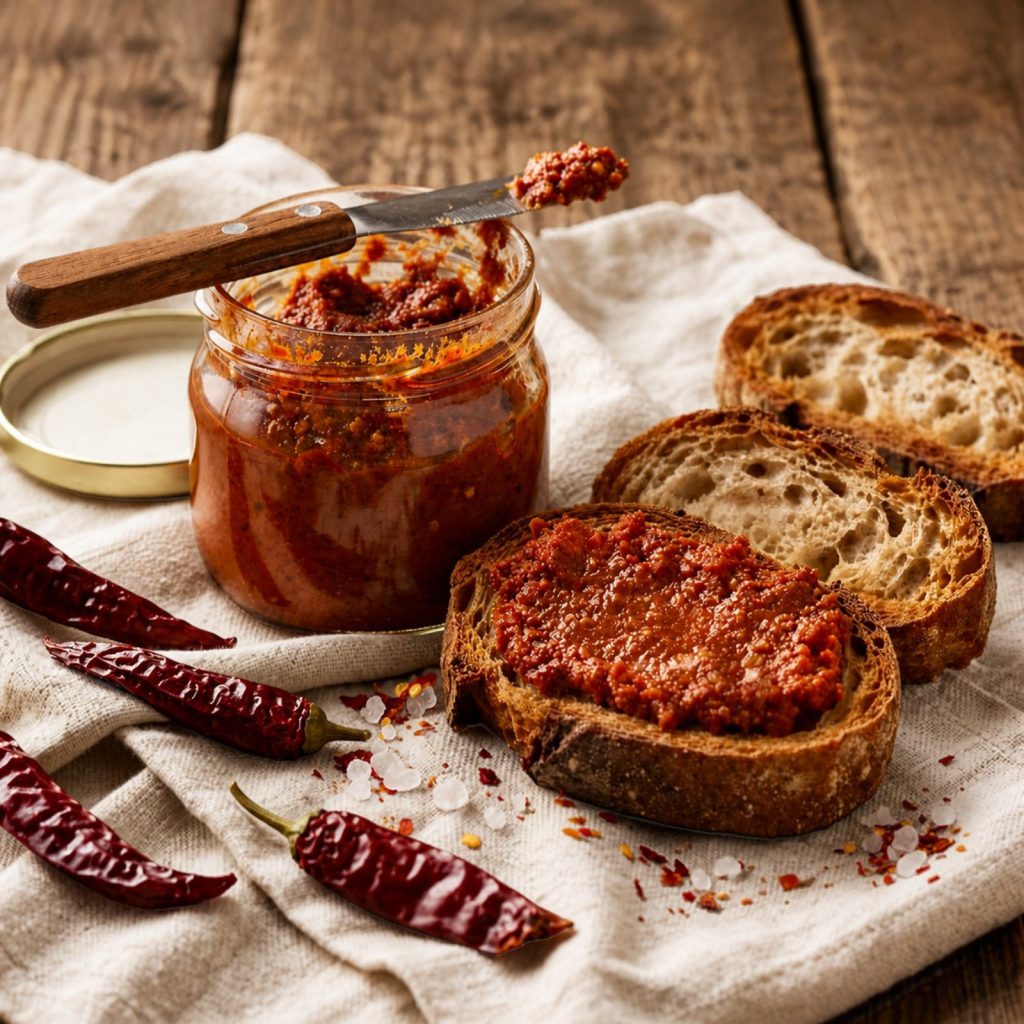
- Spread it on warm toast or bruschetta, on its own or with soft cheese.
- Dot it over pizza before baking.
- Stir it into scrambled eggs, mashed potatoes or risotto at the end.
- Mix it into butter, burgers or meatballs.
What does ’nduja go with?
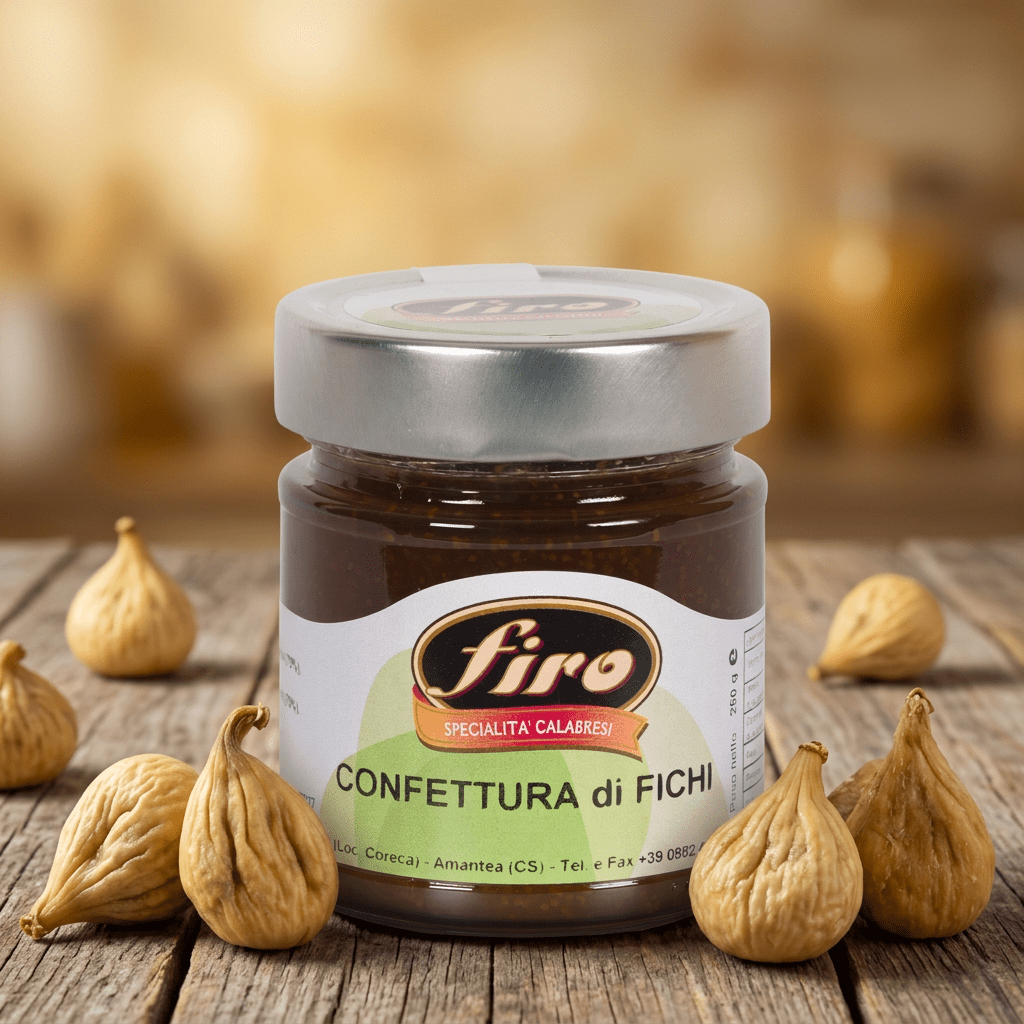
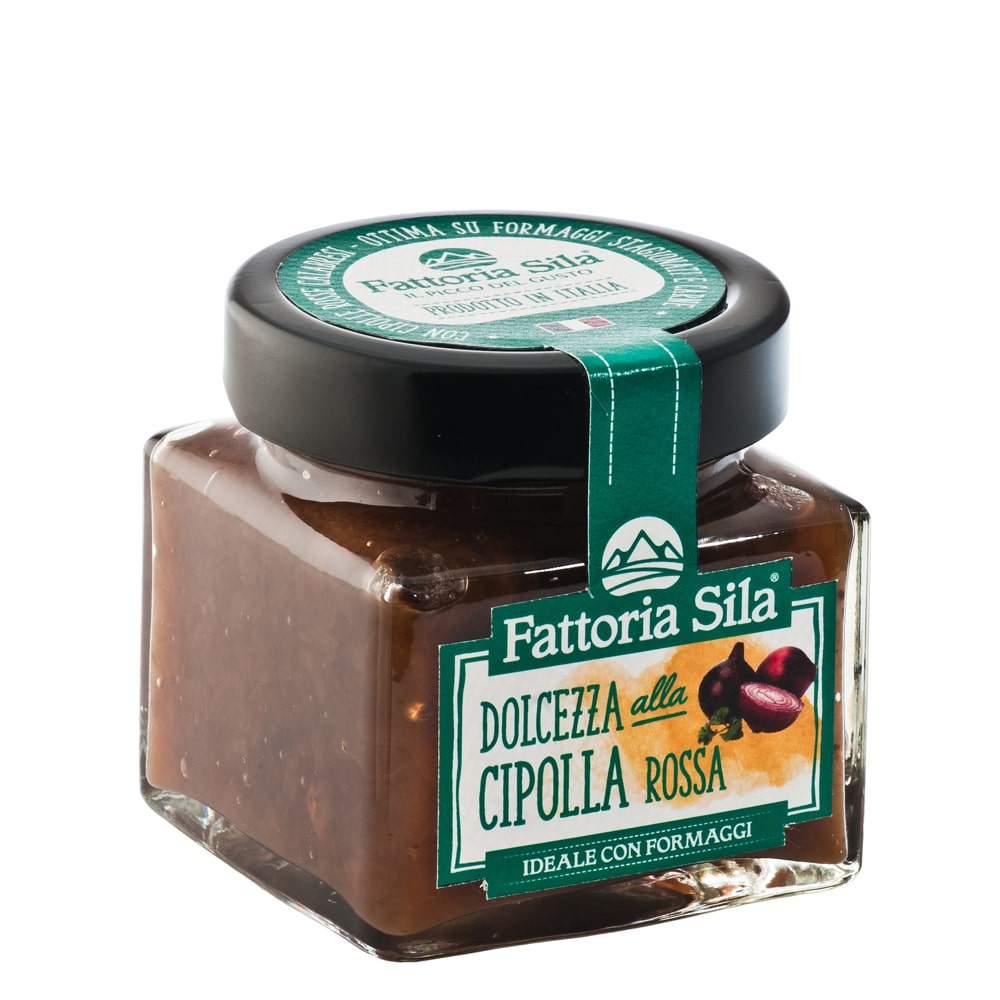
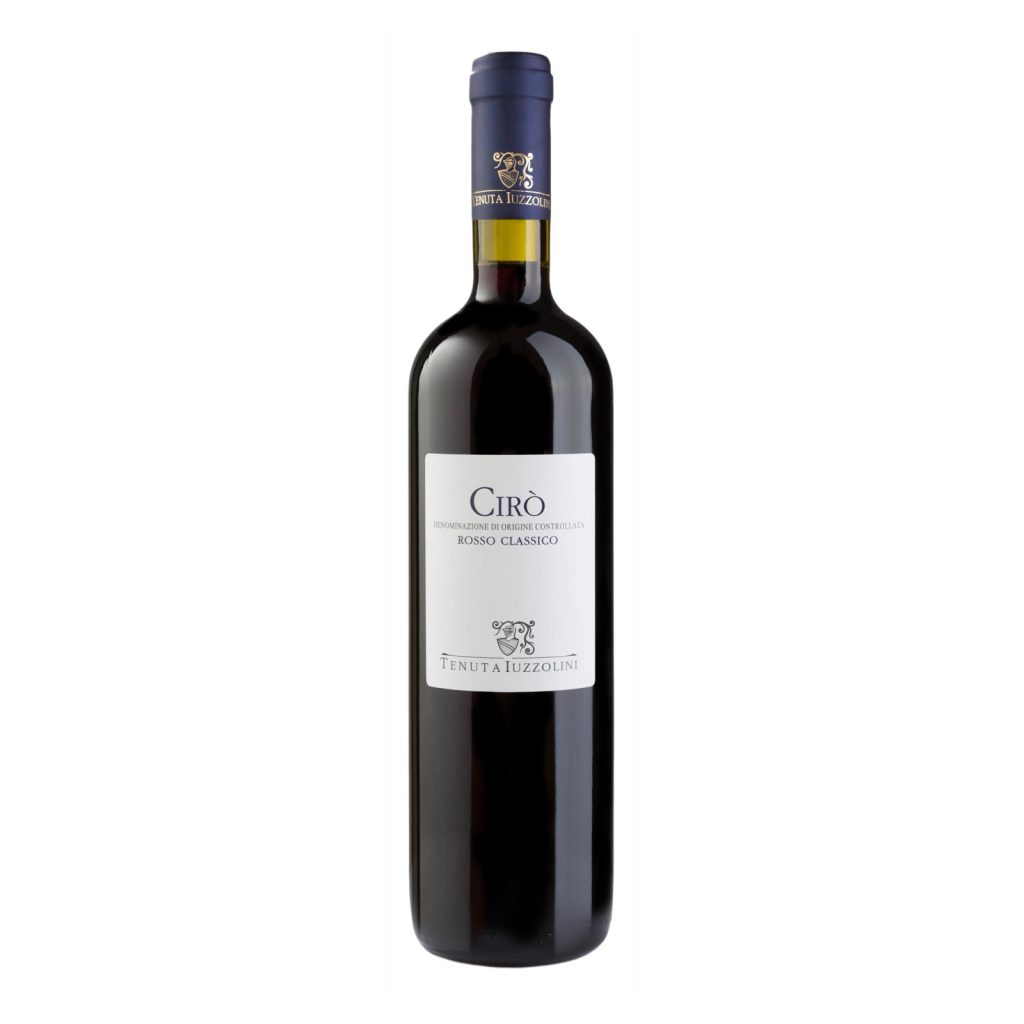
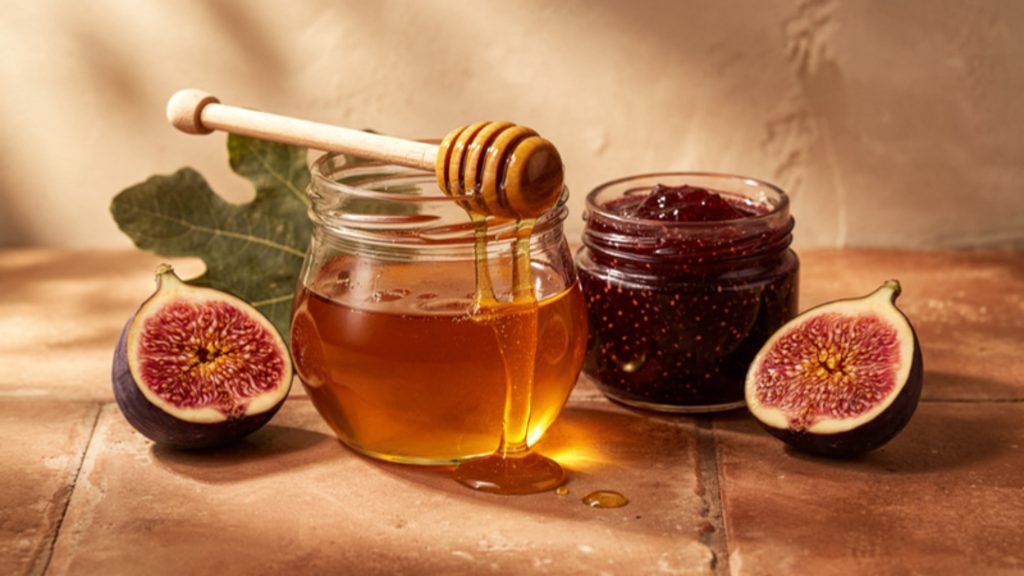
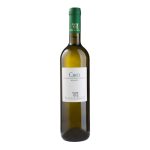
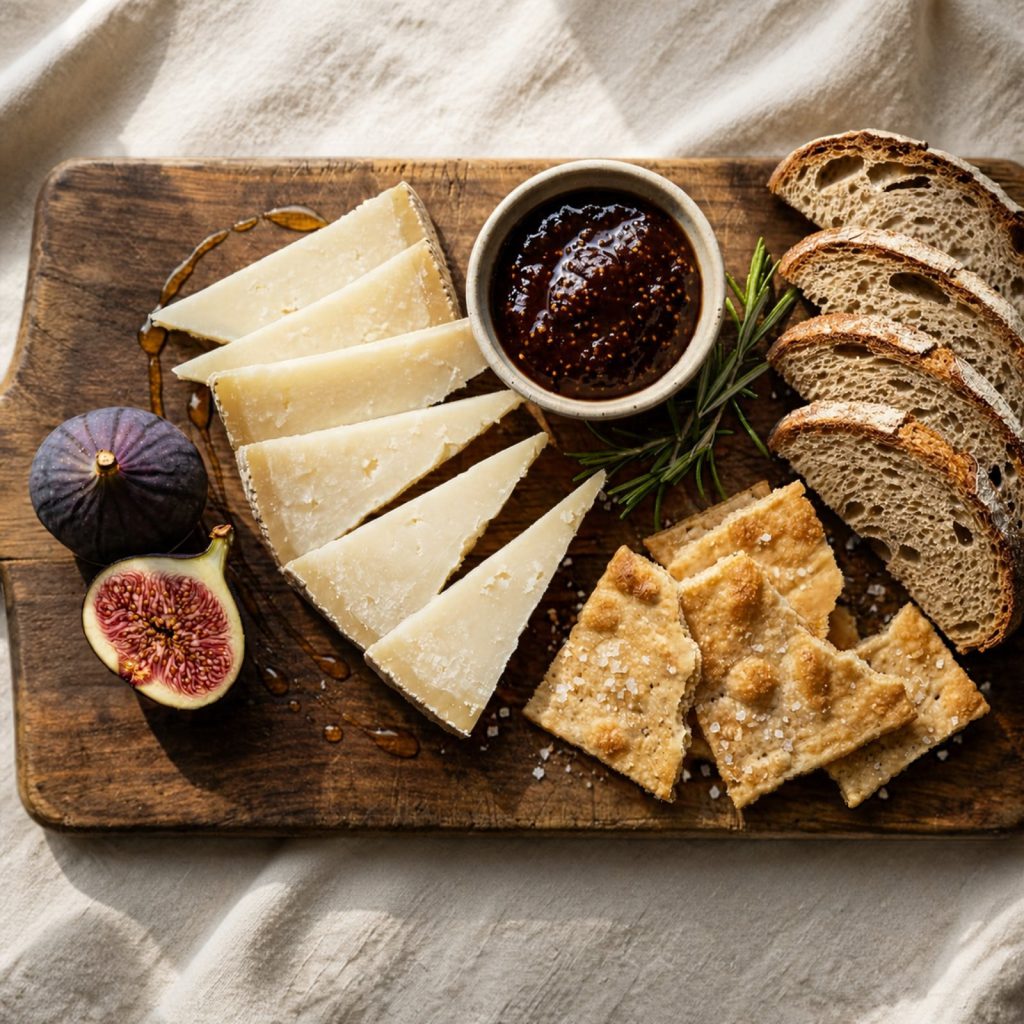
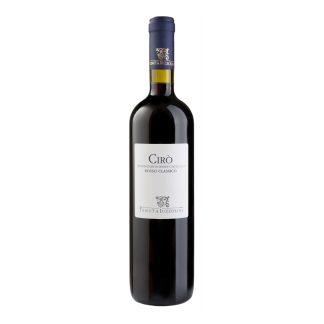
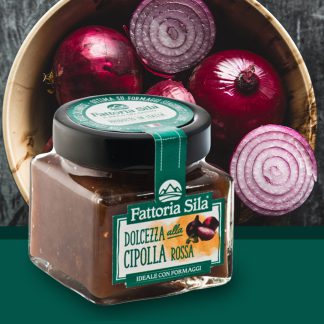
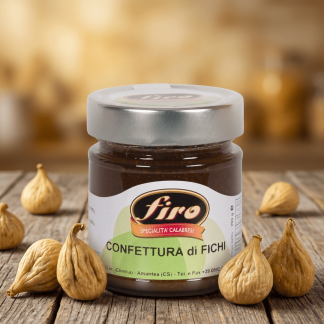
’Nduja loves anything rich, creamy or mild that can carry its heat: eggs, ricotta, burrata, mozzarella, potatoes, beans, pasta and seafood (especially scallops, prawns and mussels). Sweet things work surprisingly well too. Try honey, figs or a sweet onion jam alongside it. To drink, a fruity red like Cirò Rosso handles the chili well.
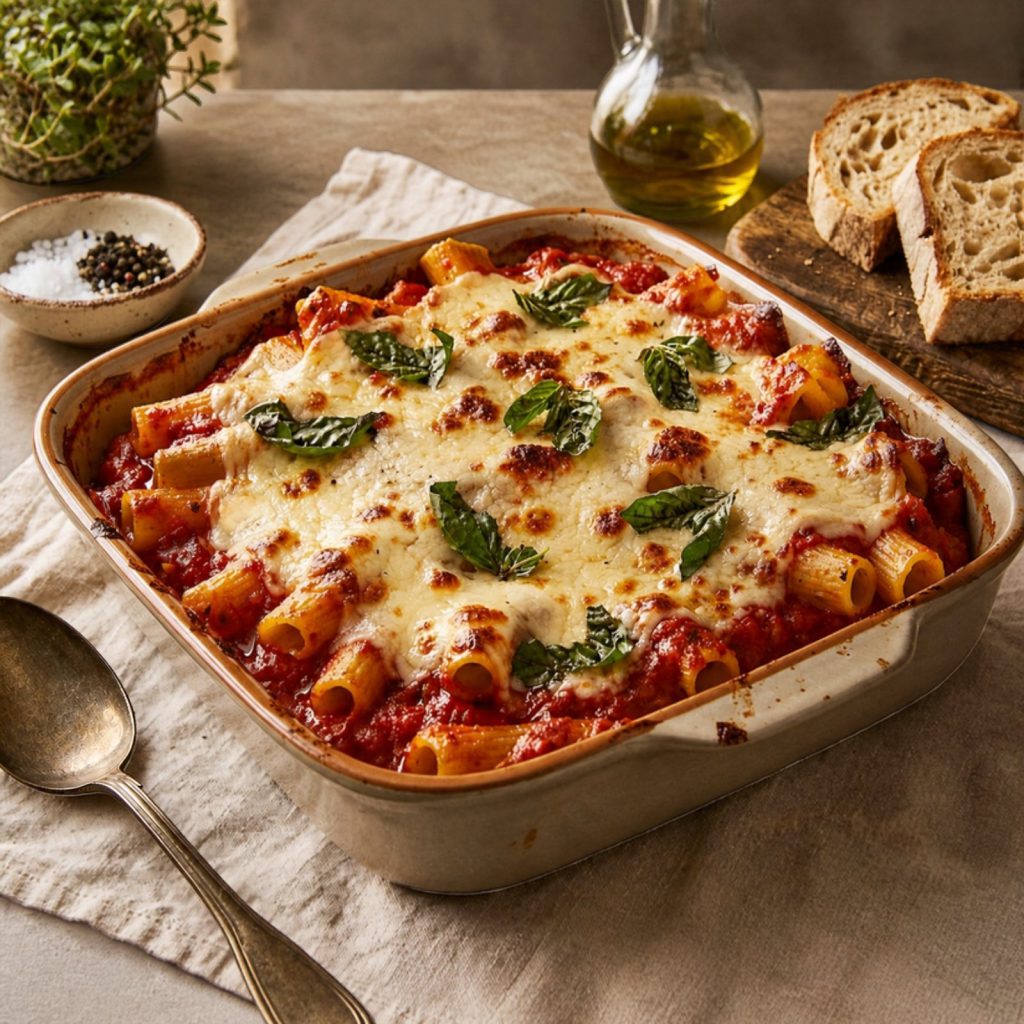
’Nduja recipes: pasta
1. ’Nduja pasta in 15 minutes
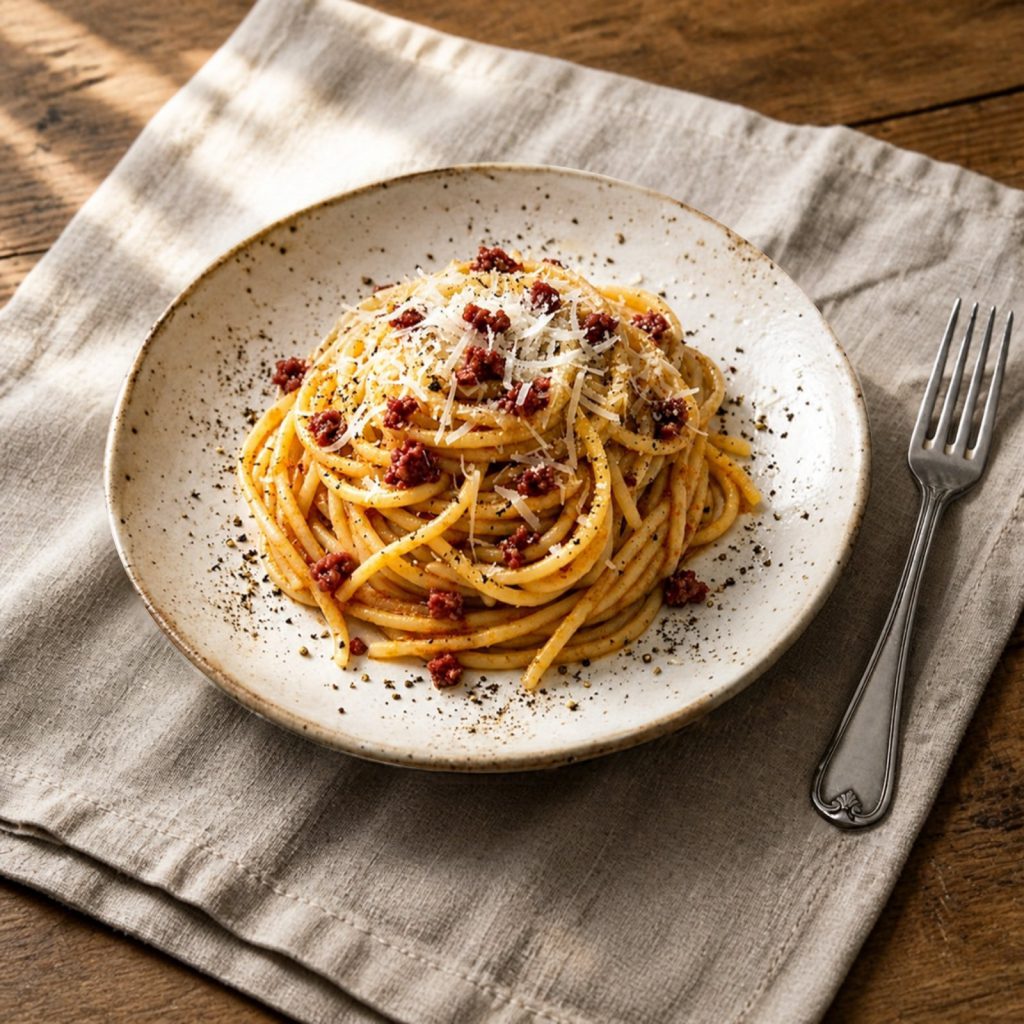
While the pasta cooks, warm 2 tablespoons of olive oil in a wide pan over a low heat and melt in 1–2 tablespoons of ’nduja. Add a spoonful of tomato paste or a handful of cherry tomatoes and cook for a few minutes. Toss in the drained pasta with a splash of pasta water until glossy, and finish with grated pecorino. Serves 2.
2. ’Nduja carbonara
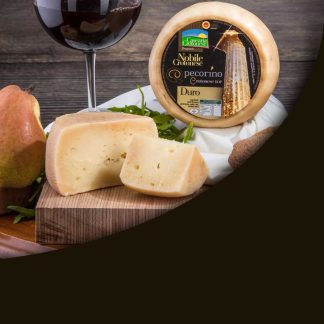
A Calabrian twist on the Roman classic: ’nduja instead of guanciale, with eggs and Pecorino Crotonese. Full recipe: ’Nduja Carbonara.
’Nduja recipes: not pasta
3. ’Nduja pizza
Make or buy a margherita base. Before baking, dot small teaspoons of ’nduja over the cheese. It melts into little pools of spicy oil. After baking, add a drizzle of Calabrian honey for a sweet-hot finish.
4. ’Nduja scrambled eggs on toast
Melt a teaspoon of ’nduja in butter, add beaten eggs and stir gently until just set. Pile them onto toast. A five-minute breakfast with a Calabrian kick.
5. ’Nduja butter
Mash 1 part ’nduja into 3 parts soft butter. Spread it on corn on the cob or warm bread, melt it over grilled steak or fish, or stir it into a pan of beans. It keeps for a week in the fridge.
How to store ’nduja
Keep it in the fridge. Once opened, press clingfilm onto the cut surface and use it within the time on the label. It can also be frozen in portions.
How to get our ’nduja
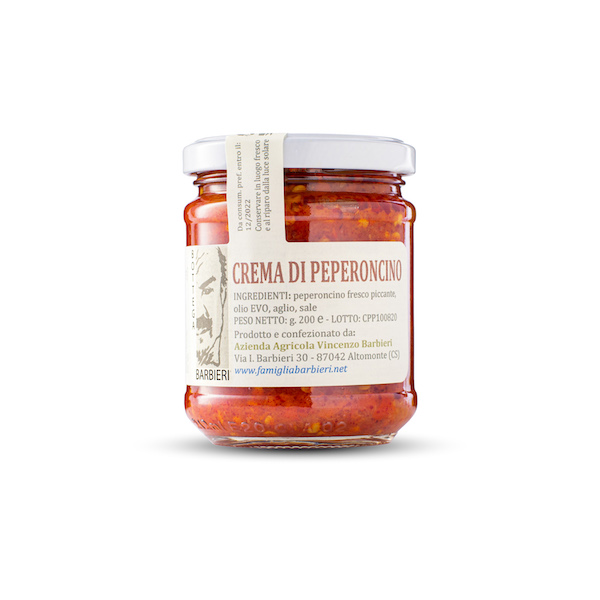
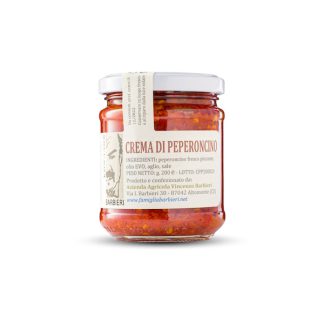
Our spicy ’nduja from Calabria comes in our Fuoco Calabrese, Calabria Discovery and Domenica a Tavola boxes, or you can build your own box around it. For more Calabrian heat, see our Calabrian chili cream, or browse our Calabrian cured meats.
Frequently asked questions
How do you pronounce ’nduja? En-DOO-ya. The apostrophe marks a dropped letter, and the “n” is barely sounded.
Is ’nduja raw? It’s cured, like salami, so it’s safe to eat without cooking, though most people cook it gently.
Can you freeze ’nduja? Yes. Freeze it in small portions and use it straight from frozen in cooking.
What can I use instead of ’nduja? Spicy chorizo, or soft salami mashed with chili paste, gets you close, but nothing quite matches it.