






Calabrian Chili Paste: What It Is and the Best Substitutes
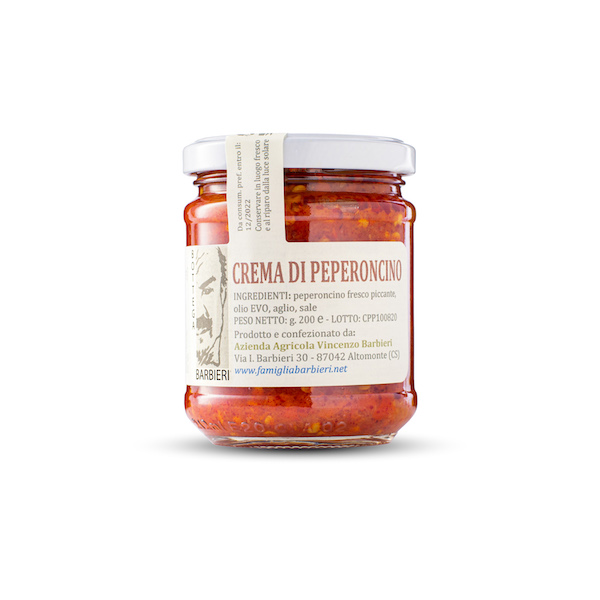
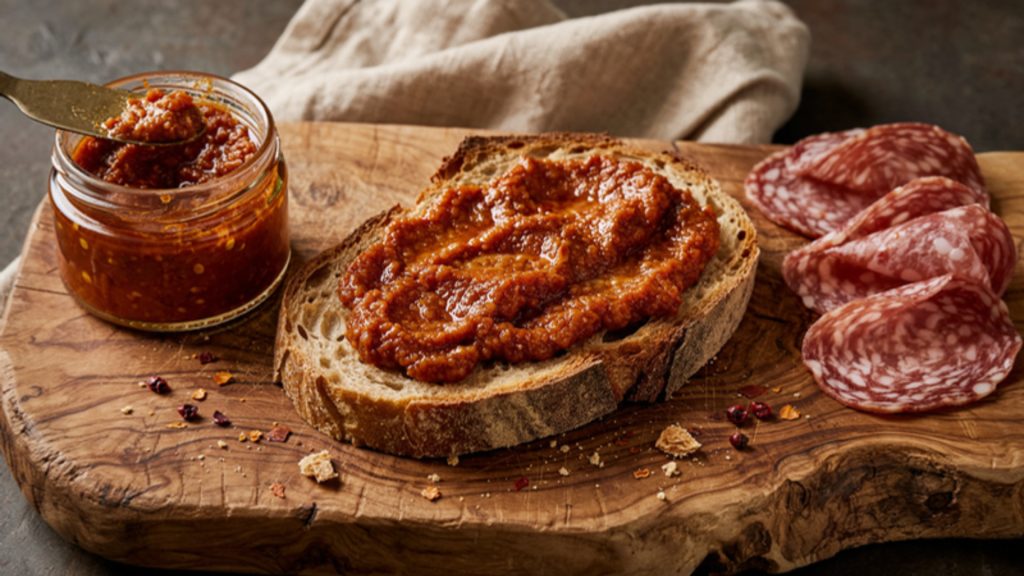
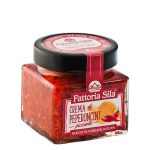
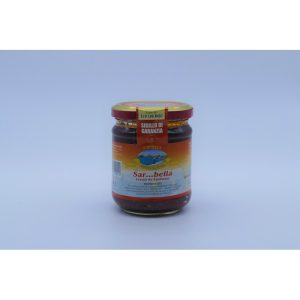
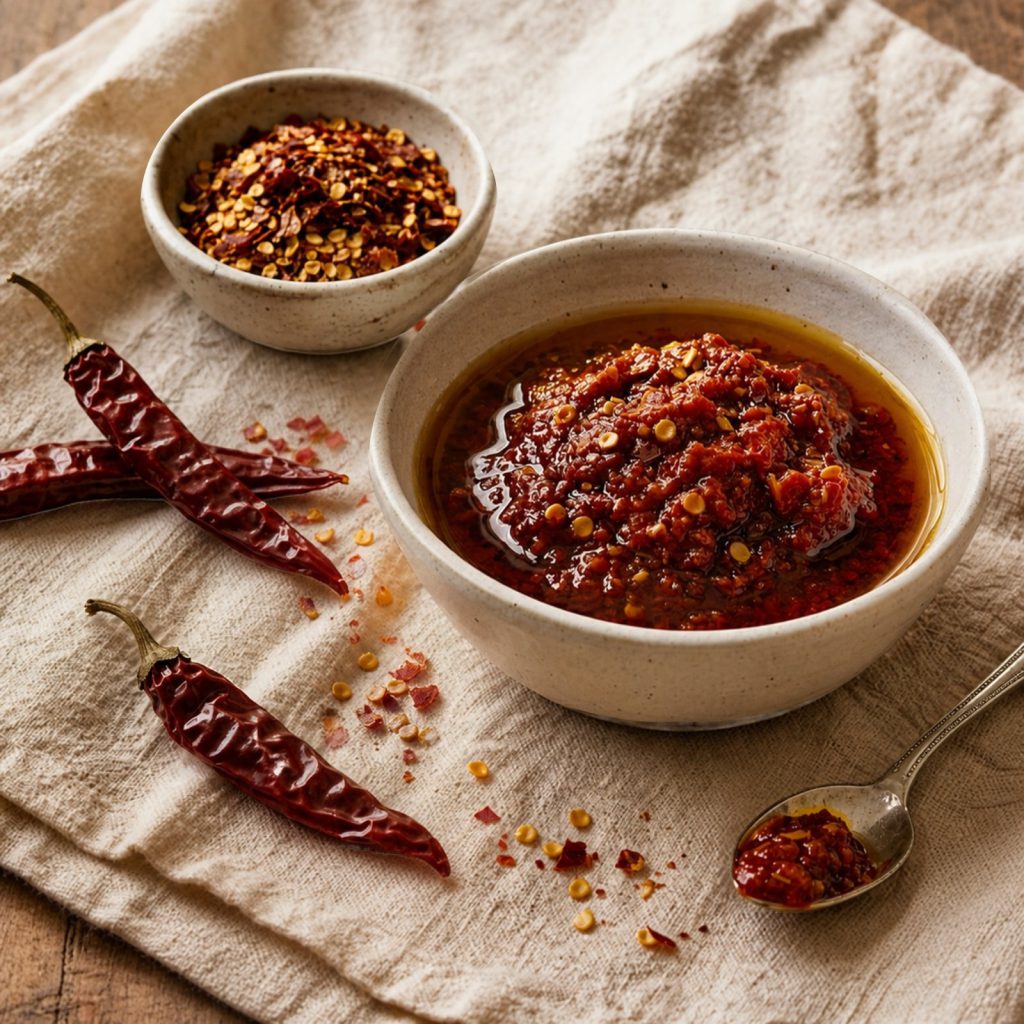
Calabrian chili paste is a spicy, fruity paste made from Calabrian peperoncino chilies, usually crushed with oil, salt and sometimes vinegar. The best substitutes are homemade paste from crushed Calabrian chili and olive oil, a ready-made Calabrian chili cream, or other crushed red chili flakes mixed with oil. Use half the amount at first, then taste.
What is Calabrian chili paste?
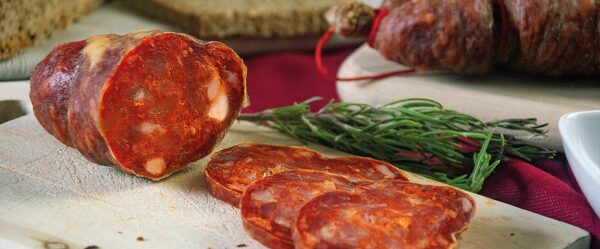
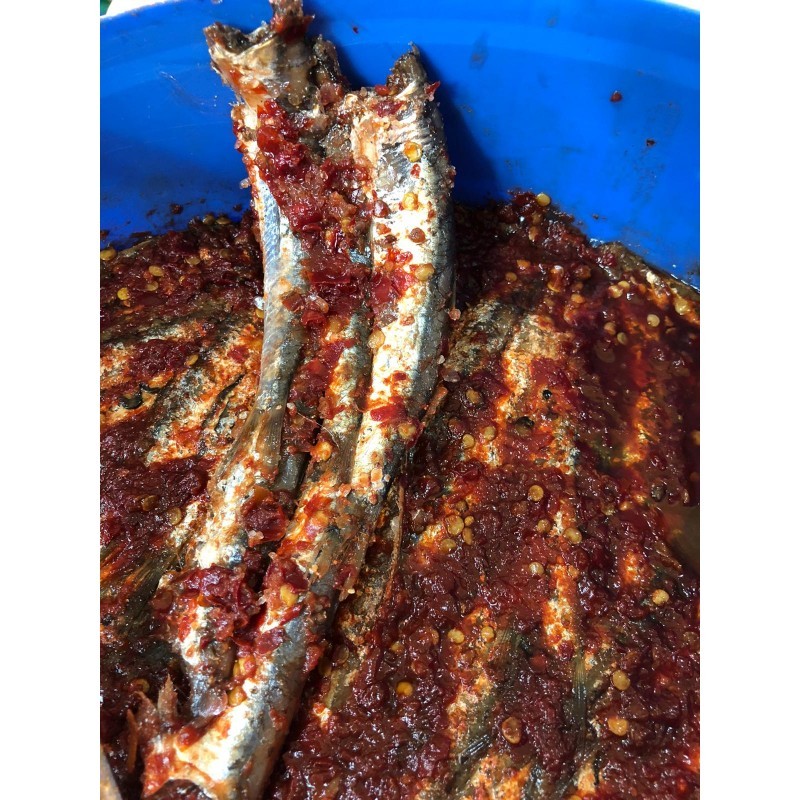
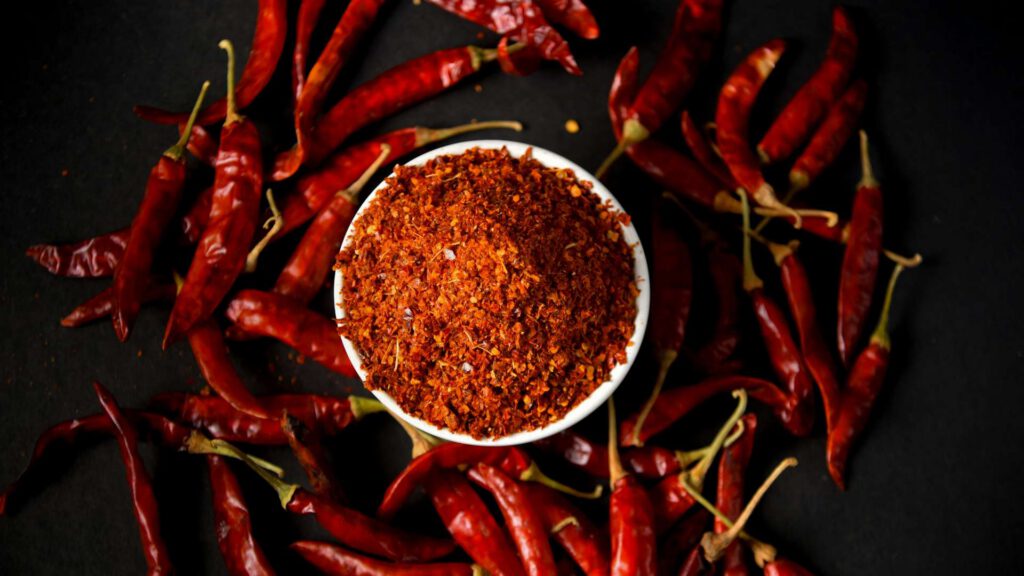
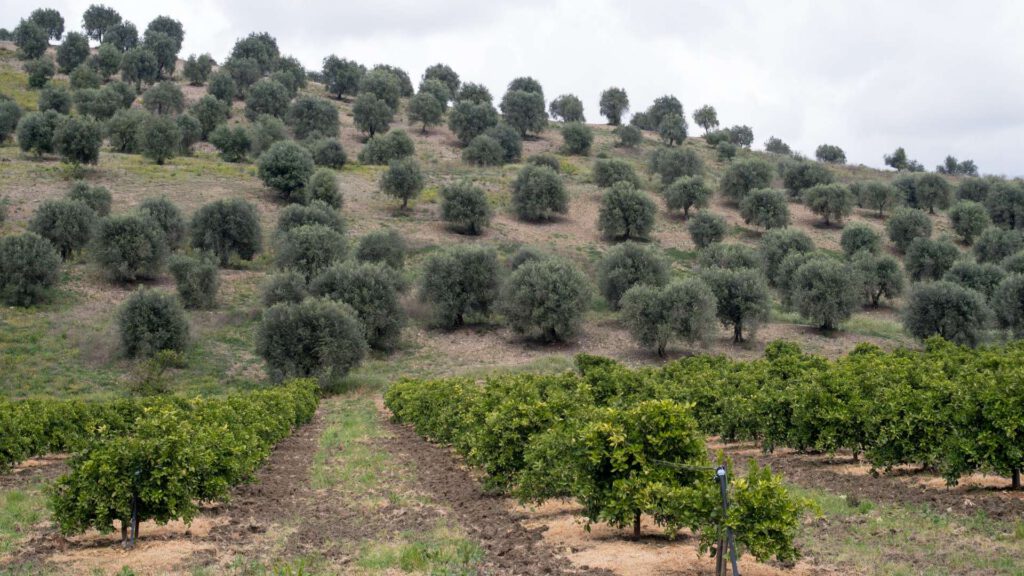
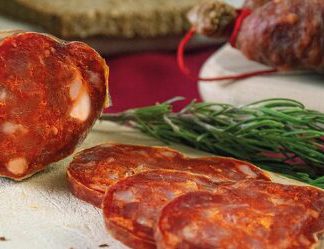
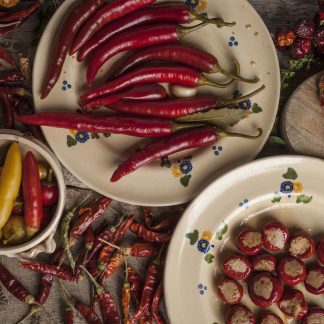
Calabria, in the toe of Italy, grows small red chilies called peperoncino that are used in almost everything: ’nduja, spicy salami, sauces and oil. Calabrian chili paste is those chilies chopped or crushed and preserved with oil and salt. Some versions add vinegar, which brightens the flavour.
Recipes have made it popular well beyond Italy: on pizza, in pasta sauces, mixed into mayonnaise, and on sandwiches.
What does it taste like?
Fruity, sometimes a little smoky (depending on how the chilies are dried), salty and warmly hot. The heat builds, rather than hitting all at once. Calabrian chilies are prized for having real flavour as well as heat.
How to make Calabrian chili paste
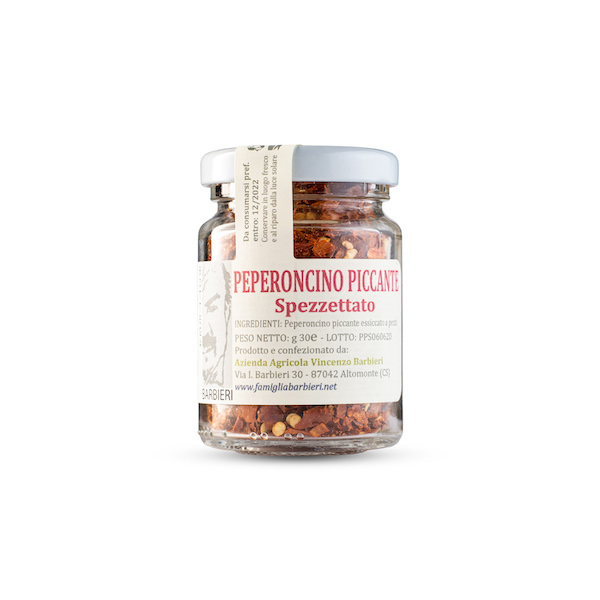
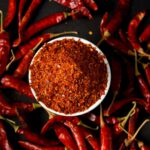
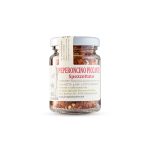
The closest homemade version uses crushed Calabrian chili. It’s made from dried chilies, so it’s a little earthier than jarred paste made from fresh ones. It takes two minutes:
- Put 3 tablespoons of crushed Calabrian chili in a small jar with a good pinch of salt.
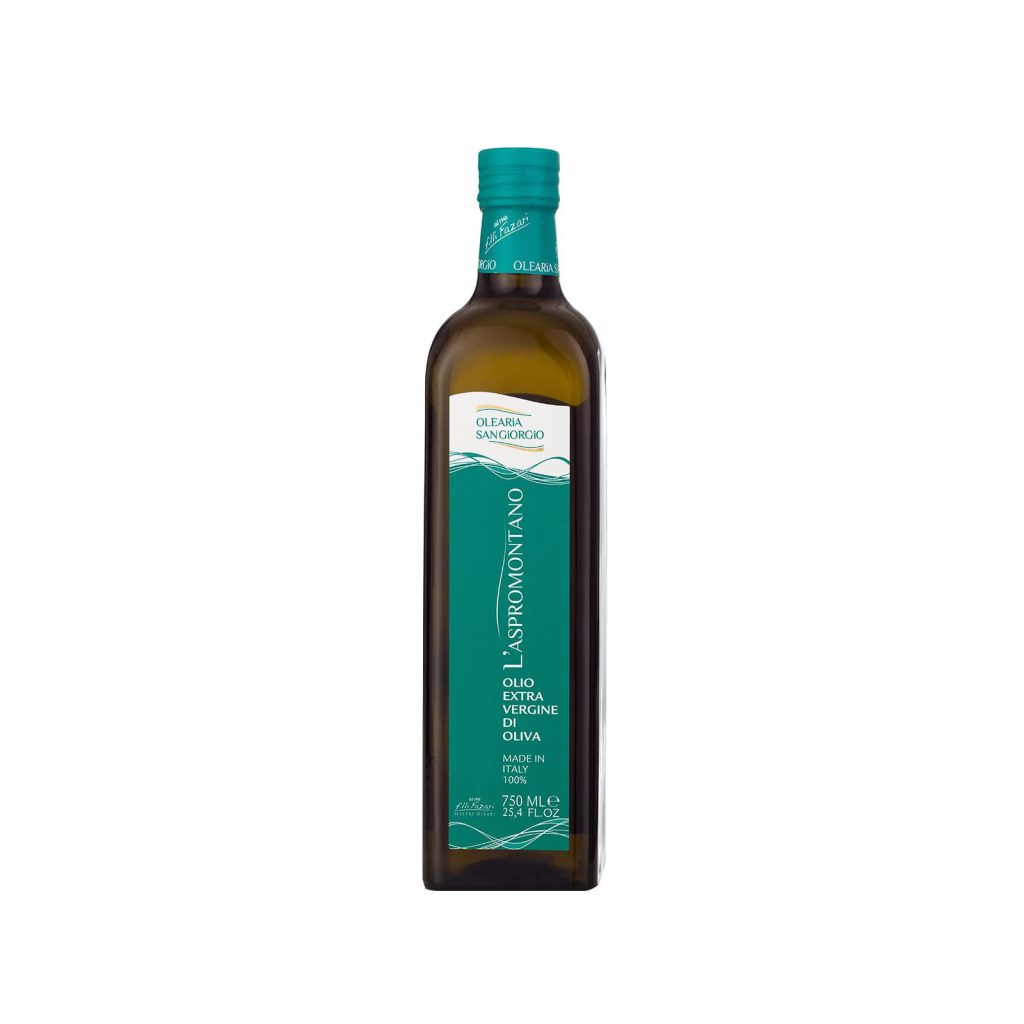
- Pour over 4–5 tablespoons of extra virgin olive oil, enough to cover.
- Optional: add a splash of red wine vinegar.
- Stir, leave for 30 minutes to soften, then mash with a fork or blend to a rough paste.
Keep it in the fridge and use it within a week.
The best Calabrian chili paste substitutes
- Homemade paste from crushed Calabrian chili (above). It’s the same chili, so it’s the closest match.
- Calabrian chili oil. Spoon in the oil, plus any chili pieces in the bottle. Ideal for pasta, pizza and finishing.
- Crushed red pepper flakes plus olive oil. Make the paste above with ordinary chili flakes. Heat varies by brand, so start with half and taste.
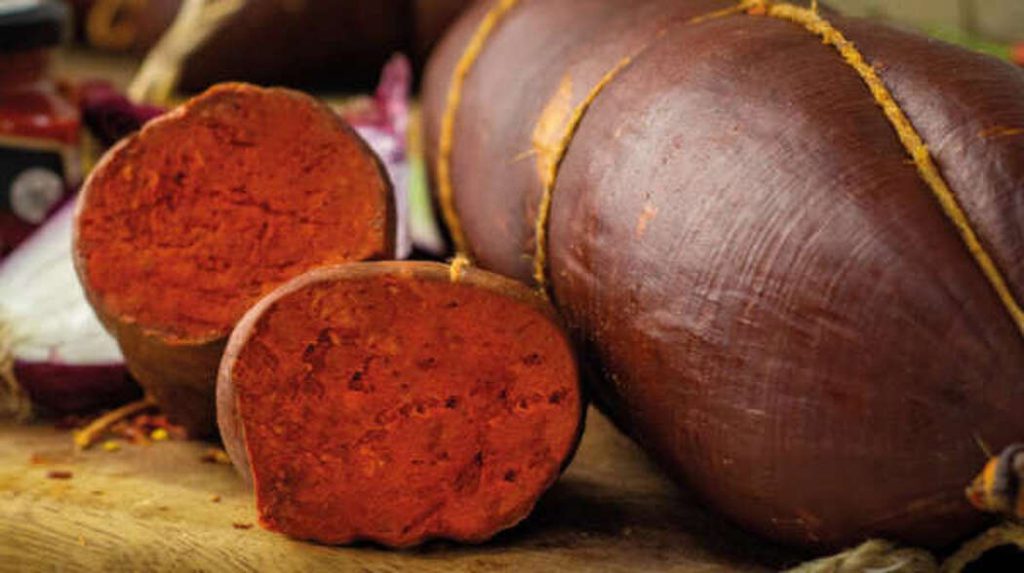
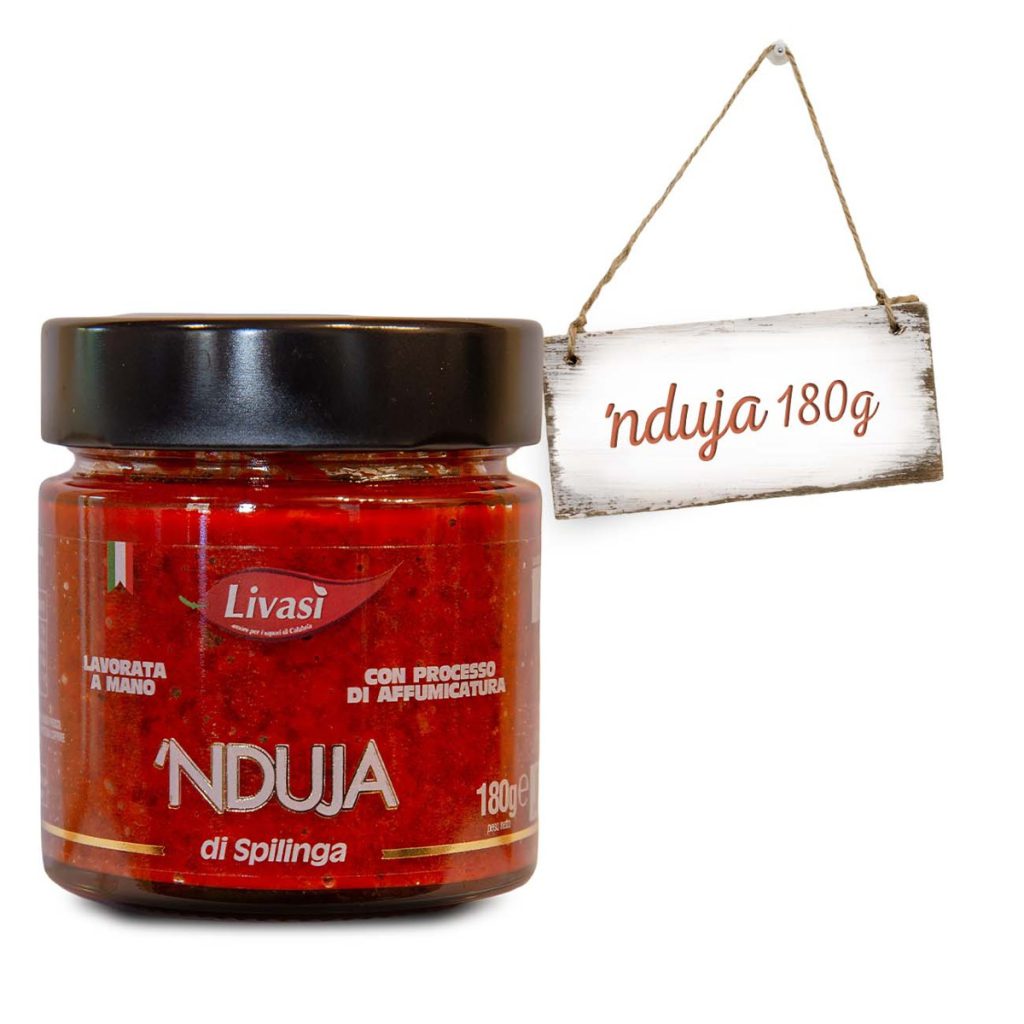
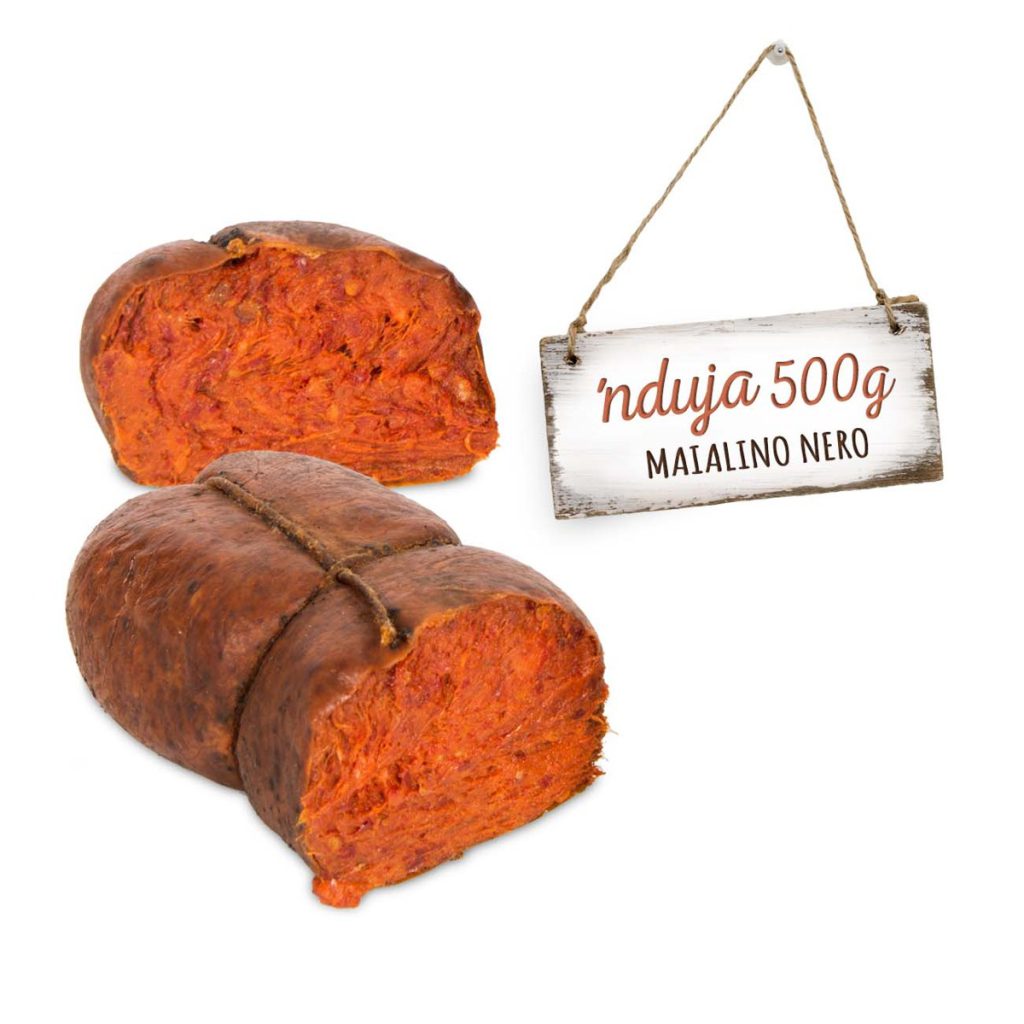
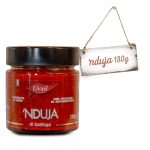
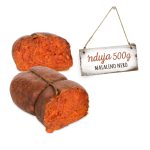
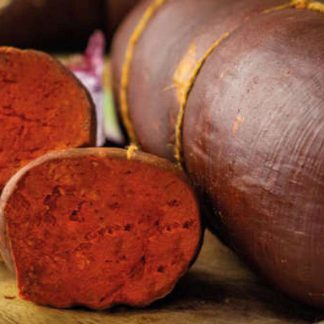
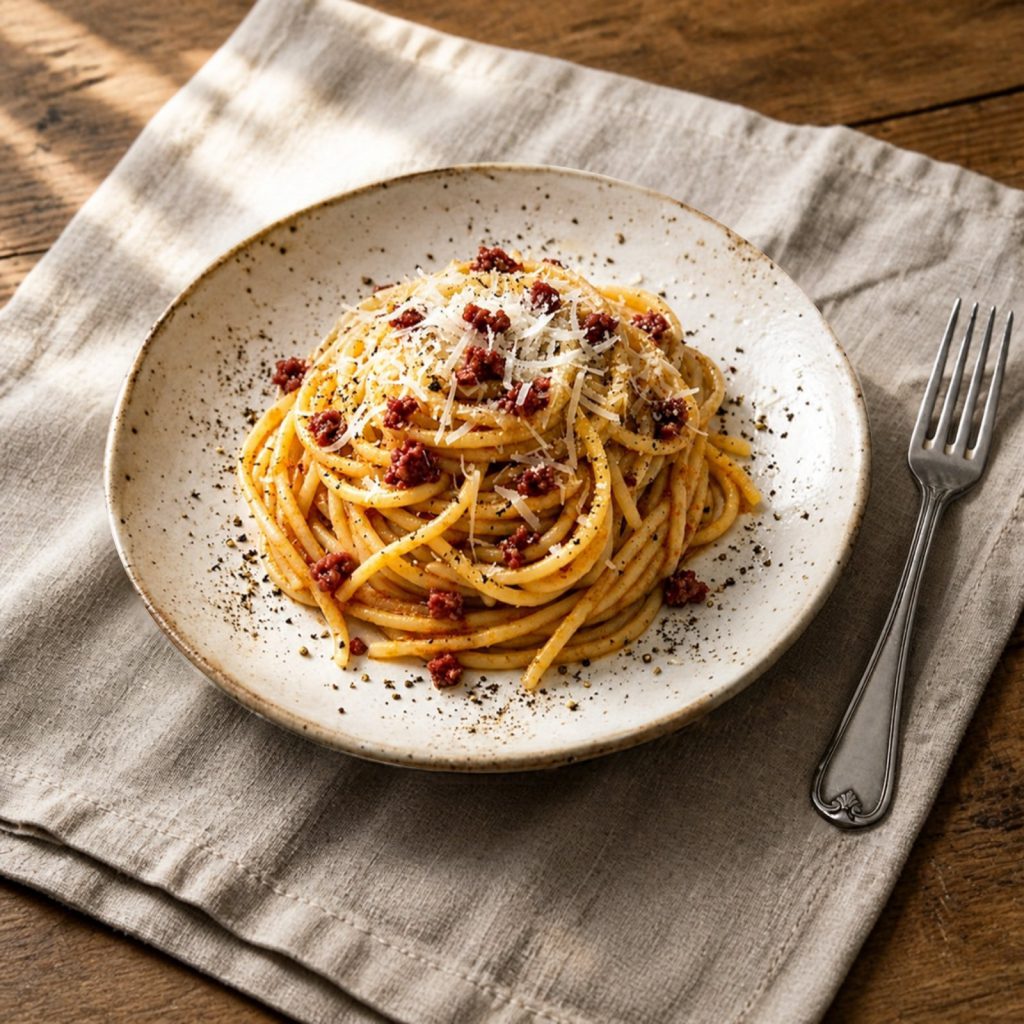
- ’Nduja. For cooking, a spoonful of spicy ’nduja adds both chili and savoury depth. It’s not vegetarian, and it’s richer, but it’s delicious in pasta and on pizza.
- Sambal oelek or harissa. These are different flavour profiles, but they’re good in a pinch. Use less, and expect a different taste.
Can I use gochujang instead of Calabrian chili paste? You can, but it isn’t a close match. Gochujang is sweet, fermented and thick, while Calabrian paste is fruity, salty and oily. Use it only where a sweet-spicy note suits the dish.
Is there a milder option? Use less chili and more oil, or mix the paste with a little tomato purée or roasted red pepper.
How to use it
- Stir it into tomato sauce or a simple aglio e olio.
- Mix it into mayonnaise for sandwiches or fries.
- Brush it on pizza crusts before baking.
- Fold it into scrambled eggs, or spoon it over burrata.
- Rub it onto chicken or fish before roasting.
How to get Calabrian chili
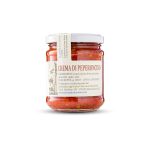
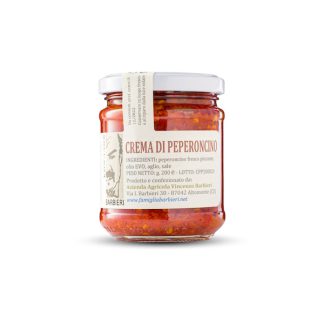
Bottega Barbieri’s crushed Calabrian chili and ready-made crema di peperoncino both come in the Fuoco Calabrese box, with ’nduja. The crushed chili is also in La Dispensa. Or build your own box. Browse all our Calabrian chili products.
Frequently asked questions
Is Calabrian chili paste very hot? Medium-hot, with a fruity, building heat. Start with a teaspoon.
What’s the best substitute for Calabrian chili paste? Homemade paste from crushed Calabrian chili and olive oil, or a ready-made Calabrian chili cream.
Does homemade chili paste need refrigerating? Yes. Keep it in the fridge and use it within a week.
Can I use chili flakes instead? Yes. Mix them with olive oil and salt to make a paste, and start with half the amount.